Rinvoq: FDA approves first systemic pill for vitiligo
- Rinvoq (upadacitinib) 15 mg once daily was approved by the FDA on 23 November 2026 for nonsegmental vitiligo in patients aged 12 and older.
- Rinvoq is now the first and only systemic therapy approved for nonsegmental vitiligo in the US.
- In the Viti-Up trials, 23–25% of patients on Rinvoq regained at least 75% of facial pigment at 48 weeks, against 6–7% on placebo.
- Upadacitinib carries boxed warnings for serious infections, cancer, heart events and blood clots, and needs blood tests before and during use.
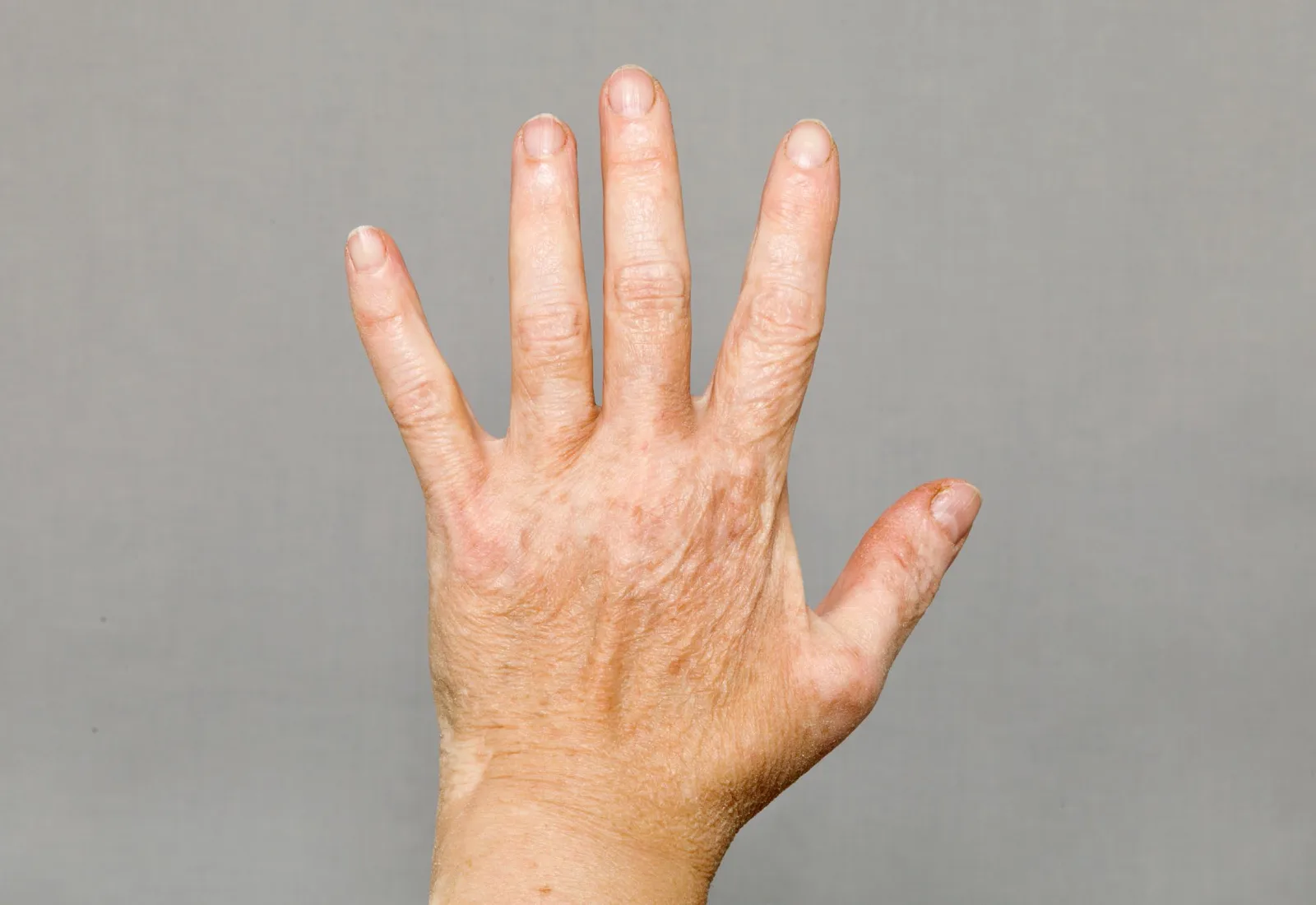
The US Food and Drug Administration (FDA) has approved Rinvoq (upadacitinib, 15 mg once daily) for adults and children aged 12 and older with nonsegmental vitiligo, the most common form of the disease, in which pale patches usually appear symmetrically on both sides of the body. AbbVie announced the decision on 23 November 2026. Until now, no tablet or injection had been approved in the US for this condition, so doctors relied on creams and light therapy aimed at individual patches. The European Commission approved the same use in July 2026.
What the Viti-Up trials showed
The approval rests on two identical Phase 3 trials, Viti-Up-1 and Viti-Up-2, which together enrolled 614 patients and ran a 48-week double-blind phase. At week 48:
- At least 75% facial repigmentation (F-VASI 75): 25% and 23% on Rinvoq vs 6% and 7% on placebo.
- At least 50% whole-body repigmentation (T-VASI 50): 19% and 21% vs 6% in both placebo groups.
- Near-complete facial repigmentation (F-VASI 90): 16% and 12% vs 2% and 3%.
In patients who stayed on the drug, response kept rising: by week 76, 55% and 47% reached F-VASI 75. These later figures are descriptive, from an open-label extension without a placebo group.
Who it suits, and the risks
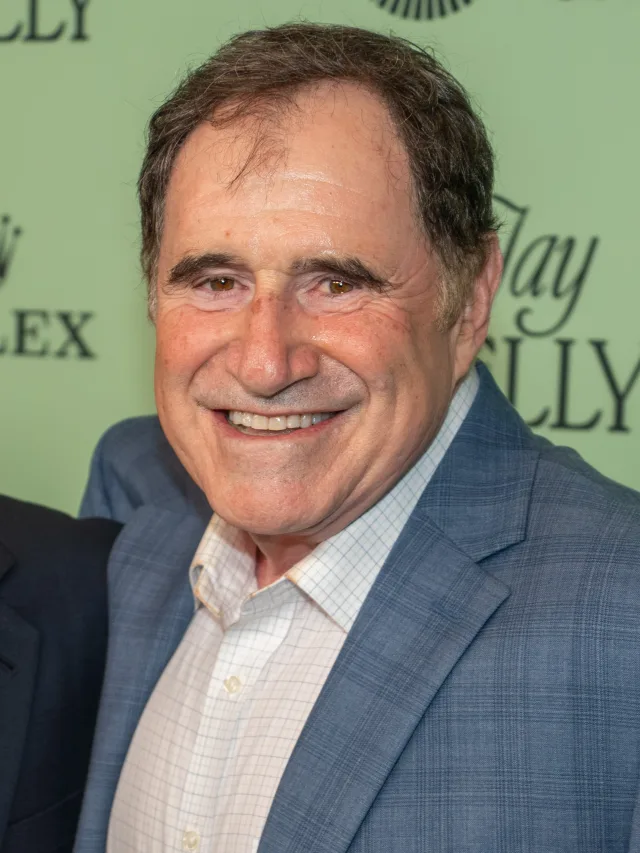
Upadacitinib is an oral JAK inhibitor that calms an immune pathway attacking pigment cells. Like other drugs in its class, it carries boxed warnings for serious infections, cancer, major heart events and blood clots, and needs blood tests before and during treatment; the risk is higher in people over 50 with a cardiovascular risk factor. Repigmentation is slow, and most patients do not reach full results in the first year. For a personal view of life with the condition, read how actor Richard Kind talks about living with vitiligo; another oral immune pill in dermatology is KT-621, an eczema tablet that succeeded in a Phase 2b trial.
Sources: AbbVie, Dermatology Times
This story is relayed from the source named above; responsibility for its content rests with the original source.
FAQ
What did the FDA approve for vitiligo?
The FDA approved Rinvoq (upadacitinib) 15 mg once daily on 23 November 2026 for nonsegmental vitiligo in adults and adolescents aged 12 and older.
Why is the Rinvoq approval for vitiligo important?
Rinvoq is the first and only systemic medicine approved in the US for nonsegmental vitiligo, which until now was treated mainly with creams and light therapy on individual patches.
How well does Rinvoq work in vitiligo?
In the Viti-Up trials, 23–25% of patients taking Rinvoq regained at least 75% of facial pigment after 48 weeks, compared with 6–7% on placebo, and the response rose further by week 76 in patients who continued.
What are the main risks of upadacitinib?
Upadacitinib carries boxed warnings for serious infections, cancer, major cardiovascular events and blood clots, and requires blood tests before and during treatment.
What is nonsegmental vitiligo?
Nonsegmental vitiligo is the most common form of vitiligo, an autoimmune disease in which pigment cells are lost and pale patches appear, usually symmetrically on both sides of the body.