Welgemda: FDA approves first drug for limb-girdle dystrophy
- Welgemda (ribitol) was approved by the US FDA on 23 November 2026 for limb-girdle muscular dystrophy type 2I/R9.
- Welgemda is the first therapy approved for any form of limb-girdle muscular dystrophy.
- In a trial of 112 patients, Welgemda improved walking speed and lung function at 12 months compared with placebo.
- How Welgemda works is not fully known, and its trial continues for up to 36 months.
The US Food and Drug Administration (FDA) on 23 November 2026 approved Welgemda (ribitol), the first medicine for limb-girdle muscular dystrophy type 2I/R9 (LGMD2I/R9), a rare inherited muscle disease. It is approved for adults and children weighing at least 30 kg, and the FDA says it is the first therapy approved for any form of limb-girdle muscular dystrophy.
What is LGMD2I/R9?
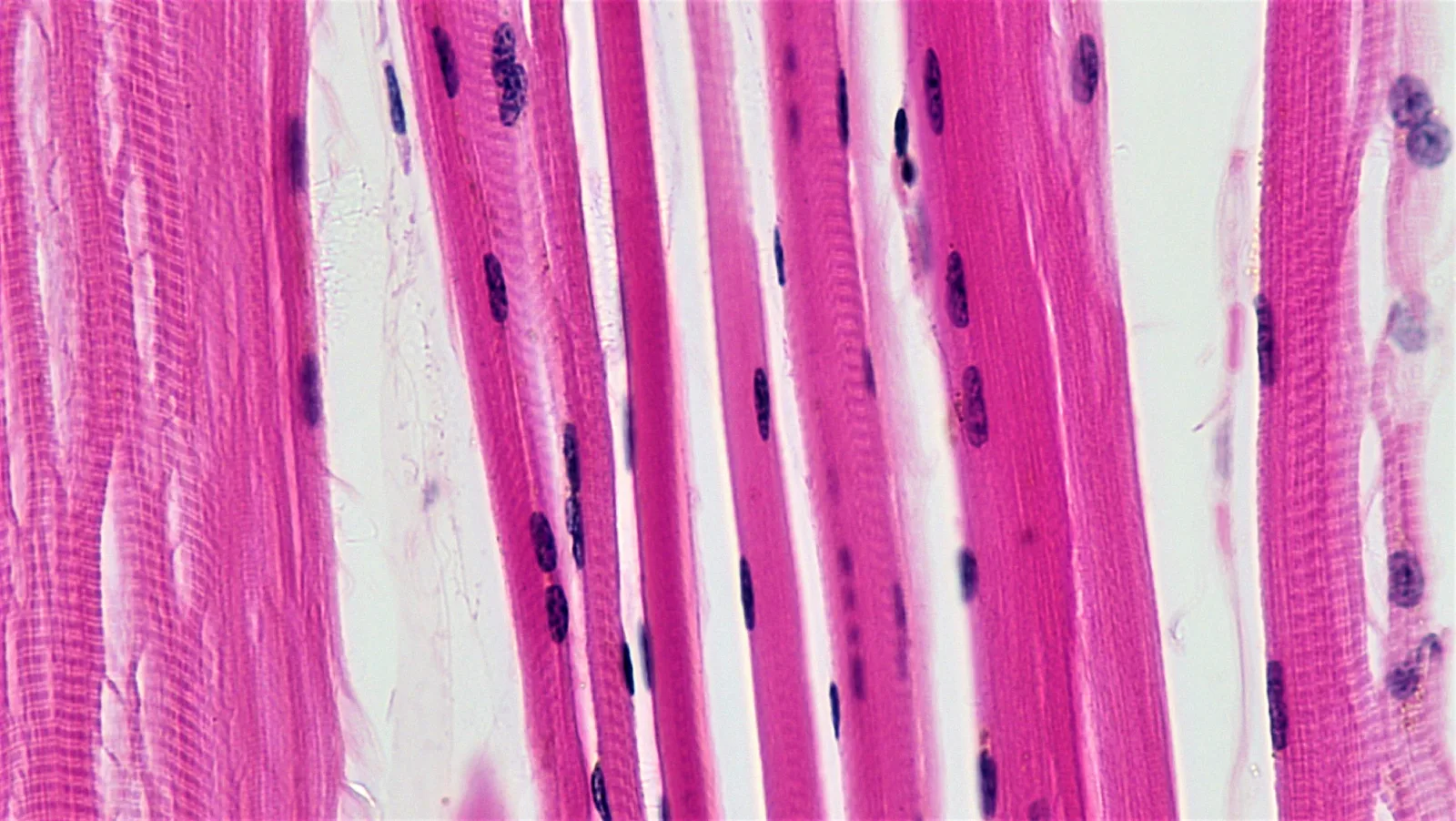
The disease is caused by mutations in the FKRP gene. In healthy muscle, the FKRP enzyme helps attach sugar molecules to a protein called alpha-dystroglycan, an anchor that connects muscle cells to the surrounding tissue. When this fails, muscle cells become fragile and break down, causing progressive weakness, difficulty walking and, in many patients, impaired breathing. Symptoms usually begin in childhood or early adulthood. BridgeBio estimates that about 7,000 people in the US and Europe live with the condition.
Also read: FDA rejects Capricor's Duchenne cell therapy a second time
How is it taken?
Welgemda is an oral solution taken twice daily, mixed with water. Its exact mechanism is not fully known, but it may work by raising a natural sugar molecule called matriglycan that anchors alpha-dystroglycan in muscle.
What did the trial show?
The randomised, double-blind, placebo-controlled trial enrolled 112 patients with genetically confirmed disease for up to 36 months. At a planned interim analysis after 12 months:
- Walking speed improved on the 100-metre timed test.
- Lung function improved, measured by forced vital capacity.
- Glycosylated alpha-dystroglycan rose, showing the drug reached its target.
Side effects and limits
The most common side effects were gastrointestinal, such as diarrhoea and stomach pain, and joint pain. The approval rests on an interim analysis; the trial continues to show longer-term effects, and the drug is not yet approved in Europe. Welgemda is made by ML Bio Solutions and distributed by BridgeBio Pharma. The decision comes days after the FDA rejected the Duchenne cell therapy deramiocel for a second time.
Sources: US Food and Drug Administration (FDA), BioPharma Dive
This story is relayed from the source named above; responsibility for its content rests with the original source.
FAQ
What is Welgemda?
Welgemda (ribitol) is a twice-daily oral solution approved by the US FDA on 23 November 2026 to treat limb-girdle muscular dystrophy type 2I/R9.
Who can take Welgemda?
Welgemda is approved for adults and children with limb-girdle muscular dystrophy type 2I/R9 who weigh at least 30 kg.
What causes limb-girdle muscular dystrophy type 2I/R9?
Limb-girdle muscular dystrophy type 2I/R9 is caused by mutations in the FKRP gene, which disrupt the sugar coating of alpha-dystroglycan and leave muscle cells fragile.
What did the Welgemda trial show?
In a trial of 112 patients, Welgemda improved walking speed on a 100-metre test and lung function after 12 months compared with placebo.
What are the side effects of Welgemda?
The most common side effects of Welgemda are diarrhoea, stomach pain and other digestive effects, as well as joint pain.