RSV vaccine: safe for over-60s alone or with another shot
- A CDC-led study of 18,252 people aged 60 and over, published this week in the journal Vaccine, examined how people felt in the week after an RSV vaccine.
- Fewer than 1% sought medical attention in the week after the RSV shot, while about a third reported mild or moderate effects such as a sore arm, fatigue, muscle ache or headache.
- About one in three received another vaccine in the same week, and the RSV vaccines remained safe in the short term when given alone or alongside another shot.
- Reported side effects varied by brand: GSK's Arexvy caused more symptoms than Pfizer's Abrysvo, while Moderna's mResvia was similar to Abrysvo.
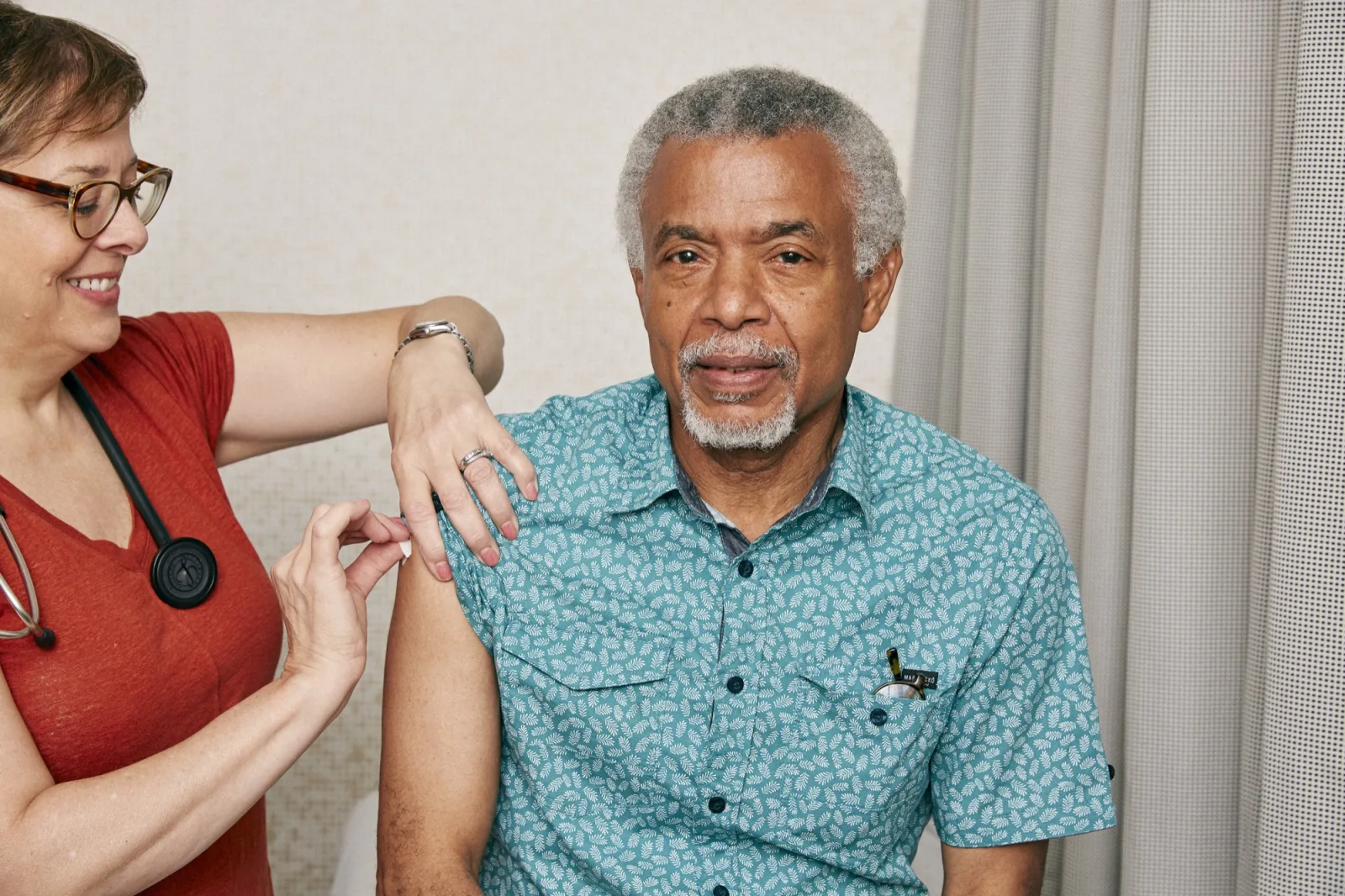
Can older adults get the RSV vaccine in the same week as another shot, such as a flu jab? A new study led by scientists at the US Centers for Disease Control and Prevention (CDC) and published this week in the journal Vaccine suggests they can: among 18,252 people aged 60 and over, fewer than 1% needed medical care in the week after their RSV shot.
How the study worked
The researchers analysed reports to V-safe, a voluntary CDC registry where people record side effects or other problems after vaccination. About one in three people vaccinated against respiratory syncytial virus (RSV) also received another vaccine within the same week, which allowed the team to compare the two groups.
What the study found
- Common effects: about a third of participants reported a mild or moderate problem within a week, most often a sore arm, fatigue, muscle ache or headache.
- Medical care: fewer than 1% sought medical attention in the week after the RSV vaccine.
- Pfizer (Abrysvo): people who got it together with another vaccine reported more injection-site reactions than those who got it alone.
- GSK (Arexvy): recipients, alone or with another shot, reported more symptoms than Abrysvo recipients.
- Moderna (mResvia): the risk of side effects was similar to Abrysvo.
Who should get an RSV vaccine
The CDC recommends a single RSV vaccine dose for everyone aged 75 and over, and for adults over 60 who are at high risk of severe RSV illness. The new findings support the short-term safety of giving the vaccine alone or within a week of another one, which can make it easier for older people to catch up on all their winter vaccines in fewer visits. Vaccines can bring benefits beyond the infection itself: in Sweden, a flu shot after a heart attack was linked to fewer deaths at one year.
Sources: Vaccine (journal), CIDRAP
This story is relayed from the source named above; responsibility for its content rests with the original source.
FAQ
Is the RSV vaccine safe for people over 60?
A CDC-led study of 18,252 people aged 60 and over found that fewer than 1% sought medical care in the week after the RSV vaccine, and most reported effects were mild or moderate.
Can the RSV vaccine be given with another vaccine?
Yes. In the CDC study about one in three older adults received another vaccine in the same week as the RSV shot, and the findings supported short-term safety whether the RSV vaccine was given alone or alongside another shot.
What are the common side effects of the RSV vaccine?
About a third of older adults in the CDC study reported a mild or moderate effect within a week of the RSV vaccine, most often a sore arm, fatigue, muscle ache or headache.
Do side effects differ between RSV vaccine brands?
Yes. In the CDC study, GSK's Arexvy caused more reported symptoms than Pfizer's Abrysvo, Moderna's mResvia was similar to Abrysvo, and Abrysvo given with another shot caused more injection-site reactions than Abrysvo alone.
Who does the CDC recommend should get the RSV vaccine?
The CDC recommends a single RSV vaccine dose for adults aged 75 and over, and for adults over 60 who are at high risk of severe RSV illness.