Wolbachia: mosquitoes cut dengue in children by 68.5%
- The EVITA trial in Belo Horizonte, Brazil, found that releasing Wolbachia-carrying mosquitoes cut arboviral infections in children by 68.6%.
- The Wolbachia method reduced dengue infections by 68.5% and chikungunya infections by 73.3%.
- The EVITA trial followed 5,757 children aged 6 to 11 from 2020 to 2024, through Brazil's largest recorded dengue outbreak.
- The EVITA results were presented on 21 November 2026 at a medical meeting and have not yet appeared in a peer-reviewed journal.
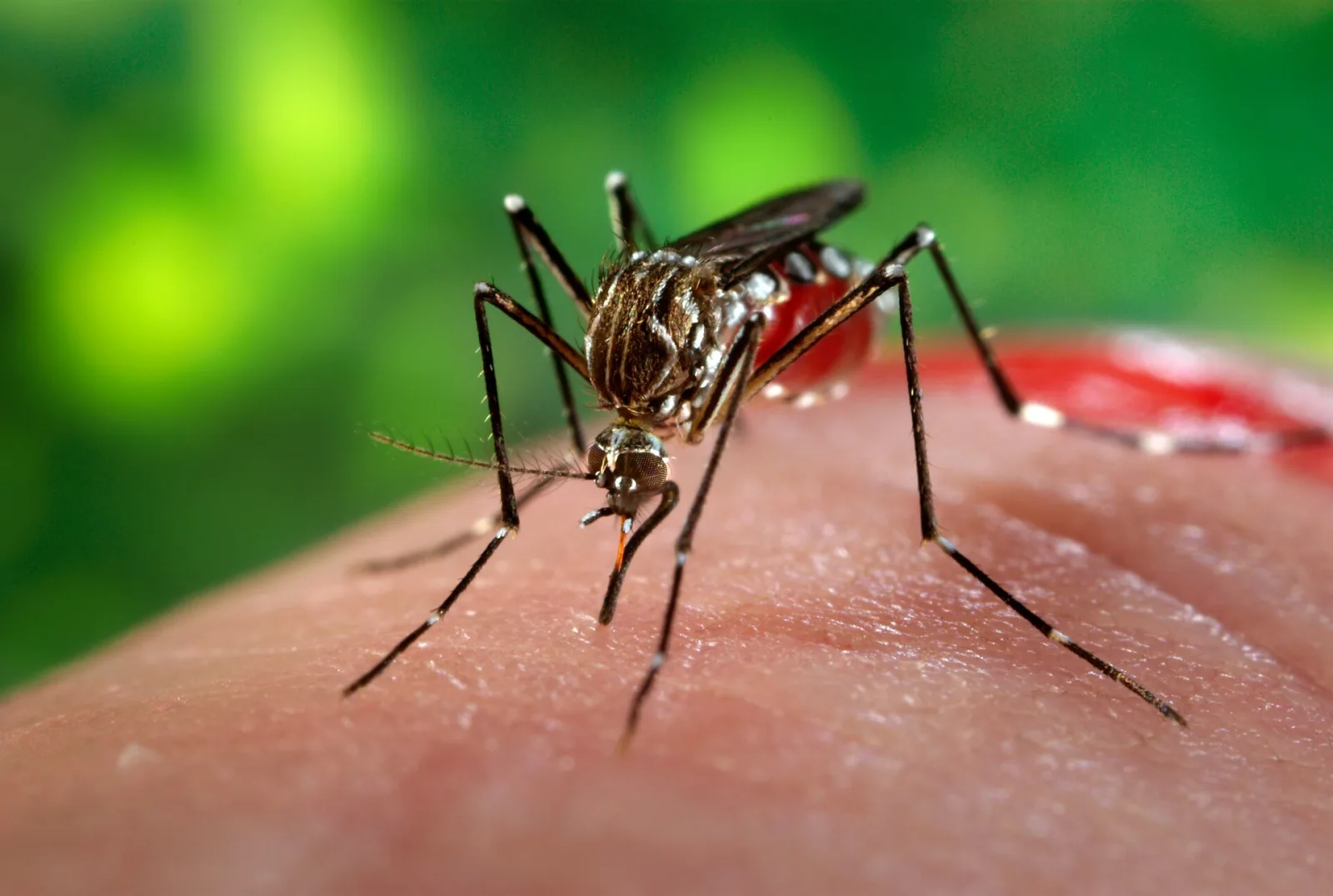
Releasing Aedes aegypti mosquitoes carrying the Wolbachia bacterium sharply reduced mosquito-borne infections in schoolchildren in Belo Horizonte, Brazil, according to the EVITA dengue trial. The overall efficacy against arboviral infection was 68.6%: 68.5% for dengue and 73.3% for chikungunya. The results were presented on 21 November 2026 at the annual meeting of the American Society of Tropical Medicine & Hygiene in National Harbor, Maryland.
How the trial worked
EVITA was a four-year, school-based, cluster-randomised trial. The city was split into 58 school catchment areas: 29 received Wolbachia mosquito releases on top of standard control (insecticide spraying and removal of breeding sites), and 29 had standard control alone. Releases ran from January 2021 to May 2022. The trial enrolled 5,757 children aged 6 to 11, who gave a blood sample in 2020 and then once a year until 2024. The samples were tested for antibodies to dengue, Zika and chikungunya.
Why Wolbachia works
Wolbachia is a naturally occurring bacterium. Inside Aedes aegypti it sharply reduces the mosquito's ability to transmit dengue, Zika and chikungunya, and females pass it on to their offspring, so it spreads and settles in the local mosquito population. In Belo Horizonte, the locally adapted strain stayed established for more than three years. That period covered 2024, when Brazil had its largest dengue outbreak on record.
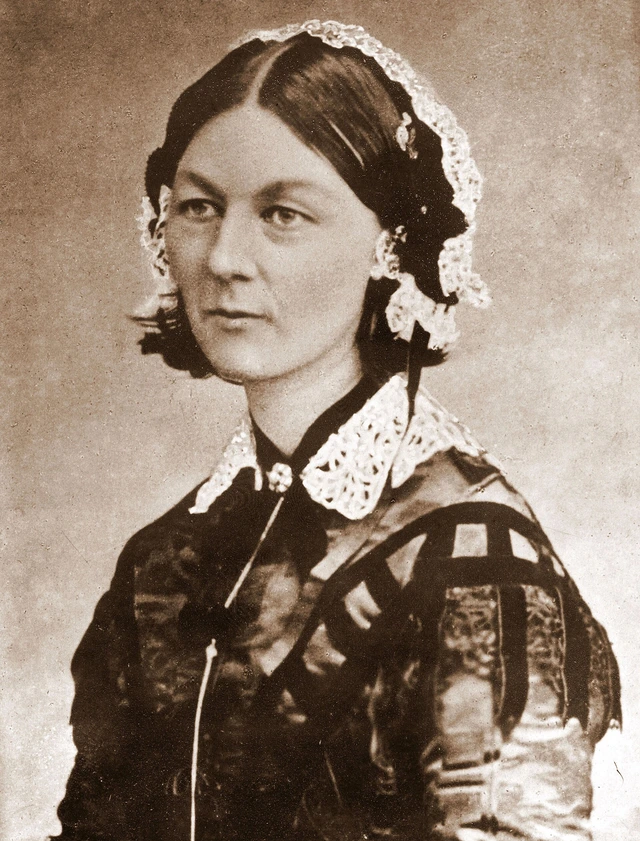
The same mosquito drives local outbreaks far from the tropics, as in the first local chikungunya cases in Switzerland, and the idea of fighting disease through the mosquito goes back to Walter Reed and yellow fever.
What we don't know yet
- The figures come from a conference presentation and a press release, not yet from a peer-reviewed paper.
- The trial measured infection through antibodies, not hospital admissions or deaths.
- The results come from one Brazilian city and may differ elsewhere.
The trial was funded by the US National Institutes of Health and the Brazilian Ministry of Health.
Sources: American Society of Tropical Medicine & Hygiene (EurekAlert!), News-Medical
This story is relayed from the source named above; responsibility for its content rests with the original source.
FAQ
What did the EVITA trial find?
The EVITA trial in Belo Horizonte, Brazil, found that releasing Wolbachia-carrying Aedes aegypti mosquitoes reduced arboviral infections in children by 68.6%, including 68.5% for dengue and 73.3% for chikungunya.
What is Wolbachia?
Wolbachia is a naturally occurring bacterium. When it is introduced into Aedes aegypti mosquitoes, it greatly reduces their ability to transmit dengue, Zika and chikungunya, and females pass it to their offspring.
How many children took part in the EVITA trial?
The EVITA trial enrolled 5,757 schoolchildren aged 6 to 11 in Belo Horizonte, who gave yearly blood samples from 2020 to 2024.
Did the Wolbachia method work during a big outbreak?
Yes. The EVITA researchers say the Wolbachia method substantially reduced dengue infections during 2024, the largest dengue outbreak ever recorded in Brazil.
Are the EVITA results final?
Not yet. The EVITA results were presented at a scientific meeting on 21 November 2026 and have not yet been published in a peer-reviewed journal.