Flu in England: hospital admissions up almost 80% in a week
- UKHSA says flu hospital and intensive care admission rates in England rose by almost 80% in the week to 22 November 2026.
- The flu hospitalisation rate reached 8.98 per 100,000 people, up from 5.03 the week before, and lab positivity rose to 17.8%.
- Only 34.1% of the 9.5 million under-65s in clinical risk groups have had a flu vaccine, leaving almost 7 million unprotected.
- NHS England's outgoing chief executive Sir Jim Mackey warned of a "horrible spike", and some hospitals have brought back masks.
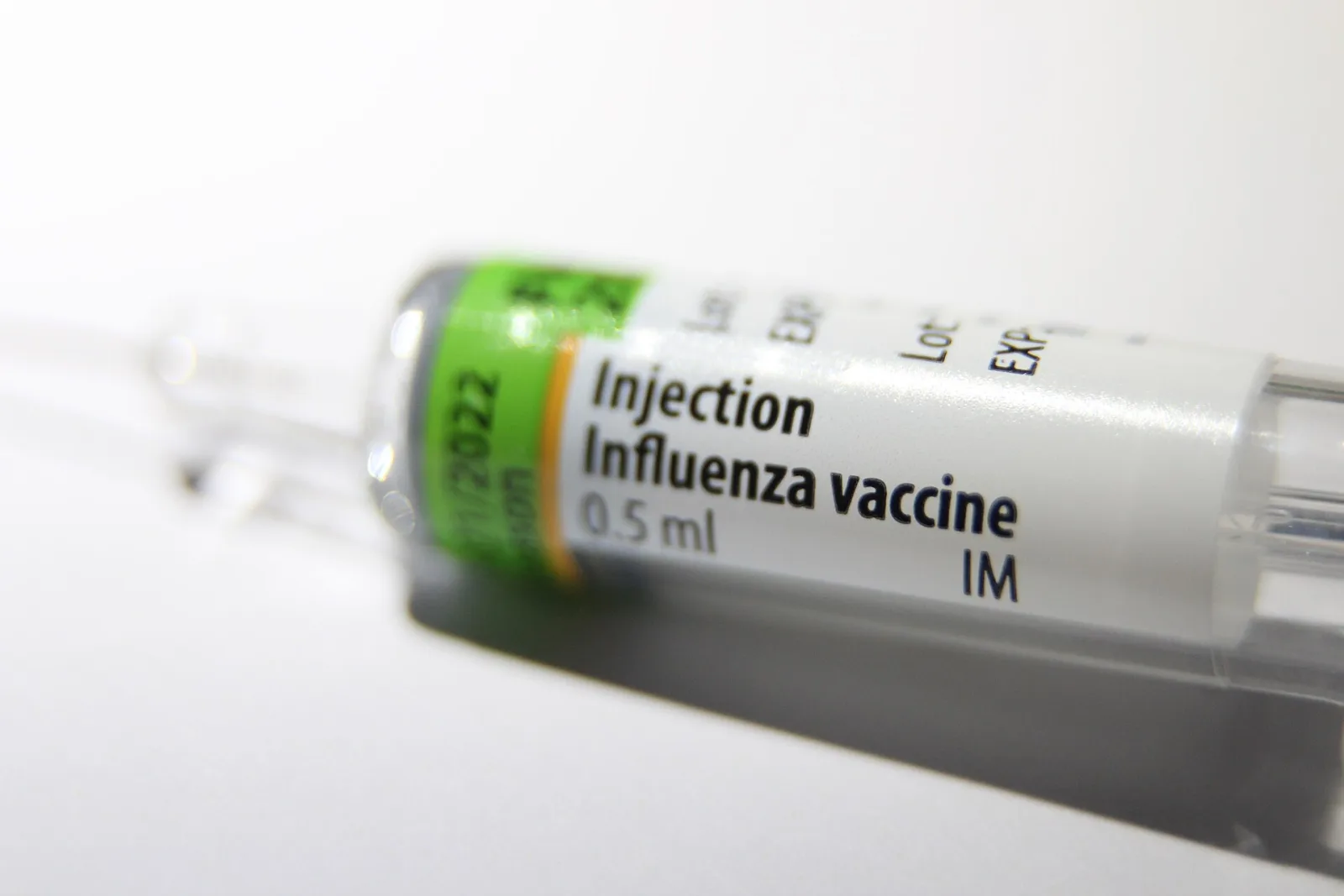
Flu is rising sharply in England. The UK Health Security Agency (UKHSA) said on 26 November 2026 that hospital and intensive care admission rates for flu jumped by almost 80% in a single week, and the BBC reports that admissions are at their highest for this time of year since before the Covid pandemic.
What the latest data show
- In the week of 16 to 22 November, the flu hospitalisation rate rose to 8.98 per 100,000 people, from 5.03 the previous week.
- The share of laboratory samples testing positive for flu rose from 11.5% to 17.8%; flu is now circulating at moderate levels.
- COVID-19 and RSV are also increasing, with RSV rising particularly in children under 5.
Millions at risk are still unvaccinated
About 9.5 million people under 65 in clinical risk groups, such as those with lung, kidney or liver disease or diabetes, are eligible for a free flu vaccine, but only 34.1% had one by 22 November. Uptake is 67.6% among over-65s, 34.9% among pregnant women and 39.2% among 2- and 3-year-olds. UKHSA says that for some groups the risk of dying from flu is far higher than in the general population, up to 48 times higher for people with chronic liver disease.
Also read: Flu shot after a heart attack: fewer deaths at one year
Sir Jim Mackey, the outgoing chief executive of NHS England, said hospitals have more beds occupied with flu than a year ago and are heading into a "horrible spike", and some have reintroduced masks. Dr Suzanna McDonald, UKHSA's flu programme lead, told the BBC the rise has come earlier than in previous seasons and nobody yet knows how high it will peak. Last winter also started early, as in the early US flu season, but peaked at moderate levels.
UKHSA advises eligible people to get vaccinated now, to wash hands with warm soapy water, to cough or sneeze into a tissue or elbow, and to stay at home when ill, away from people at higher risk.
Sources: UK Health Security Agency (UKHSA), UKHSA weekly winter virus surveillance, BBC News
This story is relayed from the source named above; responsibility for its content rests with the original source.
FAQ
How fast is flu rising in England?
UKHSA says flu hospital and intensive care admission rates in England rose by almost 80% in the week to 22 November 2026, with the hospitalisation rate climbing from 5.03 to 8.98 per 100,000 people.
How many at-risk people have had the flu vaccine in England?
Only 34.1% of the roughly 9.5 million people under 65 in clinical risk groups had a flu vaccine by 22 November 2026, leaving almost 7 million unprotected; uptake among over-65s was 67.6%.
Which groups face the highest risk from flu?
UKHSA says people with long-term conditions such as chronic liver disease, chronic neurological disease or a weakened immune system face a much higher risk; for chronic liver disease the risk of death is up to 48 times that of the general population.
Are other winter viruses rising in England?
Yes. UKHSA reports that COVID-19 and RSV activity also increased in the week to 22 November 2026, with RSV rising particularly in children under 5, while norovirus remains within expected levels.
What does UKHSA advise to protect against flu?
UKHSA urges everyone eligible to get the flu vaccine as soon as possible, to wash hands with warm soapy water, to cough or sneeze into a tissue or elbow, and to stay at home when ill, away from people at higher risk.