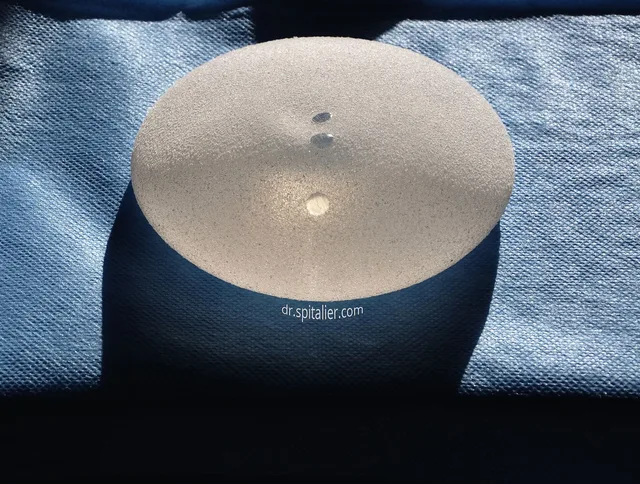
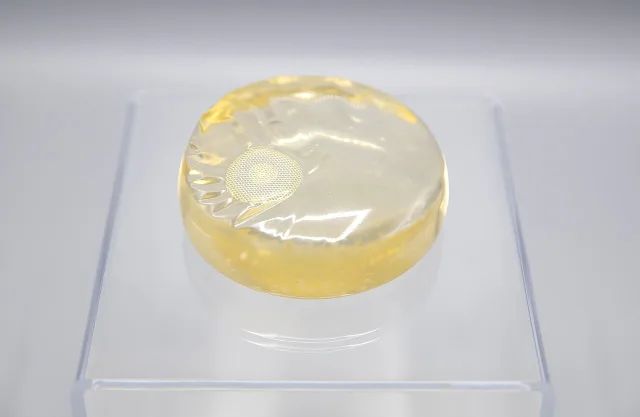
Textured or smooth breast implants? A review of 17,726 patients finds far less bottoming out with textured surfaces
- A meta-analysis in Aesthetic Plastic Surgery pooled 12 studies covering 17,726 primary breast augmentation patients.
- Textured breast implants carried a markedly lower risk of bottoming-out deformity than smooth implants.
- Capsular contracture, infection, seroma and reoperation rates did not differ significantly between the two surfaces.
- The University of Porto authors say implant choice should be personalised and weighed against regulatory concerns such as BIA-ALCL.
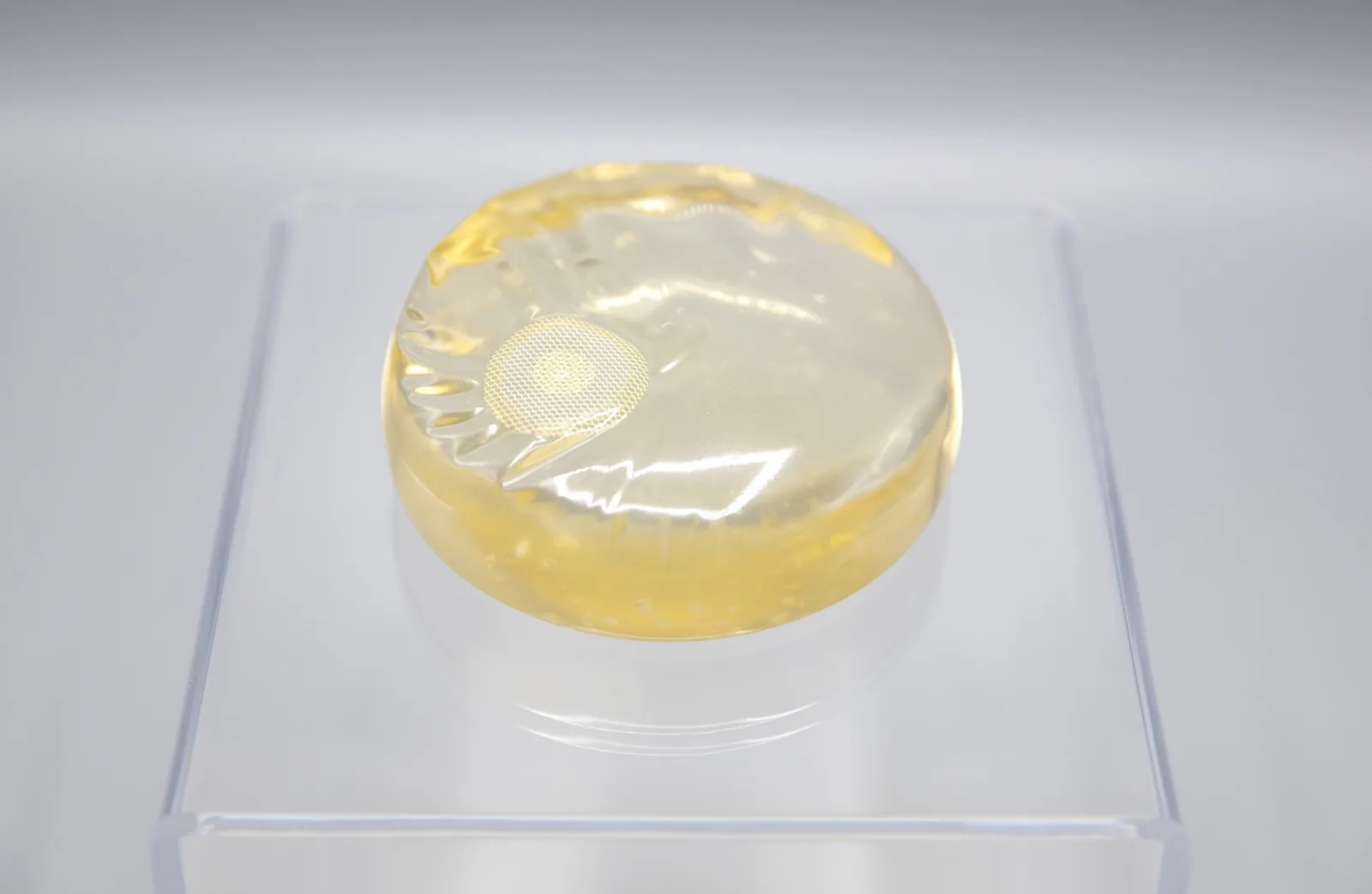
Choosing between a smooth and a textured breast implant is one of the longest-running debates in cosmetic surgery. Texturing helps an implant stay in place, but it has been associated with a higher risk of breast implant-associated anaplastic large cell lymphoma (BIA-ALCL), while smooth implants move more and can slip downwards, a problem known as bottoming out.
What the review looked at
Researchers from the Faculty of Medicine at the University of Porto searched PubMed, Web of Science and Scopus and pooled 12 studies covering 17,726 patients who had a first (primary) breast augmentation. The systematic review and meta-analysis was published online on 18 November 2026 in Aesthetic Plastic Surgery, the journal of the International Society of Aesthetic Plastic Surgery.
Also read: Choosing a breast implant: type, shape and placement
Key findings
- Textured implants had about a 90% lower risk of bottoming out (risk ratio 0.10).
- There were no significant differences in capsular contracture, infection, seroma or reoperation.
- Placing the implant under the chest muscle was linked to fewer infections than placing it in front of the muscle.
- Reoperations for clinical complications were more common than reoperations requested by patients.
No BIA-ALCL cases were recorded in the included studies, but this lymphoma is rare and can appear years later, and the authors themselves call for longer-term research. They conclude that implant choice should not follow market trends: textured surfaces may offer mechanical advantages, especially for anatomical (teardrop) implants, yet must be weighed against regulatory concerns, availability and the patient's preference. The findings echo an earlier ultrasound study on breast implant flipping, and breast procedures remain among the most common worldwide according to the latest ISAPS global survey.
For anyone weighing breast augmentation in Turkey, these results are a reason to discuss implant surface, shape and placement in detail with a qualified plastic surgeon.
Source: Aesthetic Plastic Surgery (Springer)
This story is relayed from the source named above; responsibility for its content rests with the original source.
FAQ
Do textured breast implants reduce bottoming out?
Yes. A 2026 meta-analysis of 17,726 patients in Aesthetic Plastic Surgery found textured breast implants had about a 90% lower risk of bottoming-out deformity than smooth implants.
Are textured breast implants less likely to cause capsular contracture?
No significant difference was found. The 2026 Porto meta-analysis saw similar capsular contracture rates with textured and smooth breast implants.
Does breast implant placement affect infection risk?
Yes. In the 2026 meta-analysis, placing breast implants under the chest muscle was linked to significantly fewer infections than placing them in front of the muscle.
Did the meta-analysis find BIA-ALCL cases?
No BIA-ALCL cases were detected in the 12 studies, but the lymphoma is rare and can appear years after breast augmentation, so the authors call for longer follow-up.
How should a patient choose a breast implant surface?
The Porto authors recommend a personalised choice of breast implant surface, balancing mechanical benefits against regulatory concerns, availability and the patient's preference, decided with a qualified plastic surgeon.