Depemokimab: twice-yearly shot matches Nucala in EGPA
- Depemokimab (Exdensur, GSK) given twice a year was non-inferior to monthly mepolizumab (Nucala) for remission in EGPA, a rare vasculitis, in the phase III OCEAN trial announced on 25 November 2026.
- The OCEAN trial enrolled 162 adults with relapsing or refractory EGPA in 19 countries and followed them for 52 weeks.
- Side effects of depemokimab were similar in frequency and severity to those of mepolizumab, according to GSK.
- Depemokimab is not approved for EGPA anywhere yet; GSK plans regulatory filings in the first half of 2027.
GSK announced on 25 November 2026 that its long-acting biologic depemokimab (Exdensur), injected only twice a year, met the main goal of the phase III OCEAN trial in eosinophilic granulomatosis with polyangiitis (EGPA). It proved non-inferior to mepolizumab (Nucala), which patients receive every four weeks, at bringing the disease into remission.
What is EGPA?
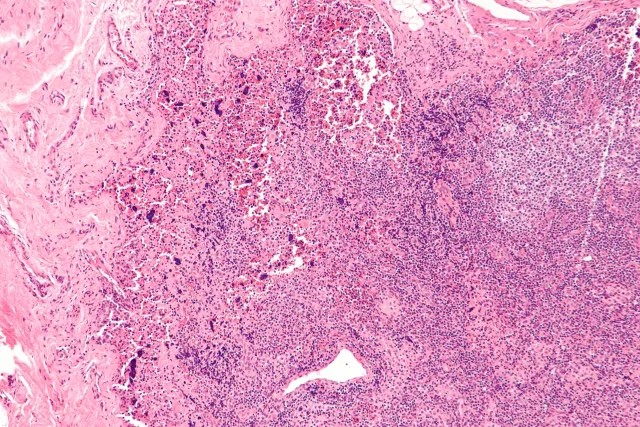
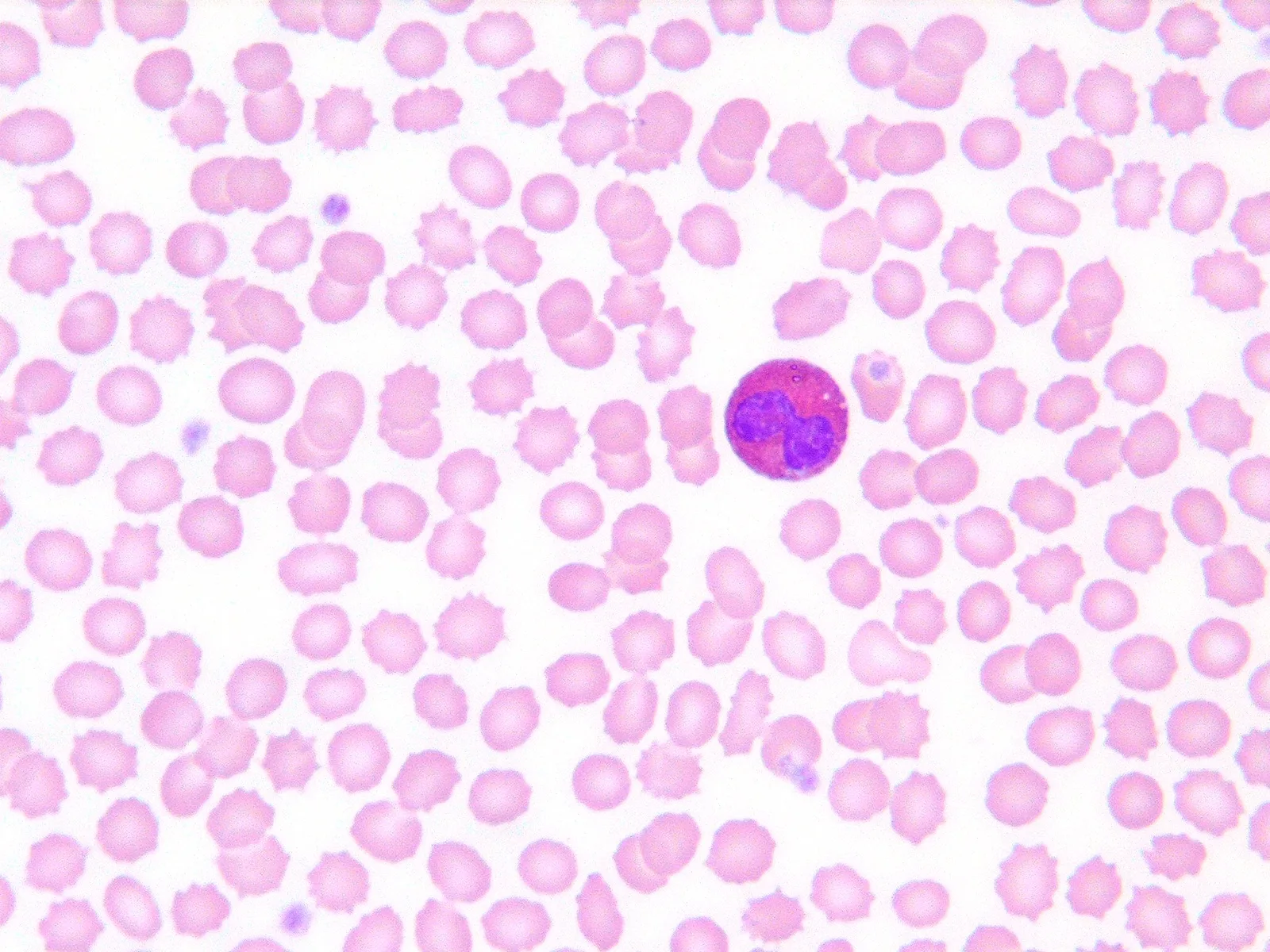
EGPA is a rare form of vasculitis, an inflammation of small and medium blood vessels, affecting an estimated 34 people per million worldwide. It is driven by eosinophils, a type of white blood cell. More than 90% of patients have asthma, about half have nasal polyps, and the disease can damage the nerves, heart, kidneys and other organs. Treatment usually relies on high-dose steroid tablets and immunosuppressants, which do not always prevent relapses.
What did the OCEAN trial test?
- 162 adults with relapsing or refractory EGPA in 19 countries, all on standard care.
- Depemokimab 200 mg every 26 weeks against mepolizumab 300 mg every 4 weeks, double-blind, for 52 weeks.
- Remission meant no disease activity (BVAS score of 0) and a steroid dose of no more than 4 mg a day at both week 36 and week 52.
Depemokimab blocks interleukin-5, the signal that keeps eosinophils alive, and its long half-life allows dosing every six months.
What we don't know yet
These are headline results from the manufacturer, which also funded the trial: GSK has not yet released remission rates, and full data will go to a scientific congress and a peer-reviewed journal. A non-inferiority result shows that depemokimab is not worse than mepolizumab, not that it is better. Depemokimab is approved in the US for severe asthma and in the EU, UK, Japan and China for severe asthma and nasal polyps, but not for EGPA; GSK plans to file in the first half of 2027.
Sources: GSK (press release), ClinicalTrials.gov (NCT05263934)
This story is relayed from the source named above; responsibility for its content rests with the original source.
FAQ
What is depemokimab (Exdensur)?
Depemokimab, sold as Exdensur by GSK, is an ultra-long-acting biologic that blocks interleukin-5, a signal that drives eosinophilic inflammation, and is injected once every six months.
What did the OCEAN trial find about depemokimab in EGPA?
The OCEAN trial found that twice-yearly depemokimab was non-inferior to monthly mepolizumab at achieving remission in 162 adults with relapsing or refractory EGPA, with similar side effects in both groups.
What is eosinophilic granulomatosis with polyangiitis (EGPA)?
EGPA is a rare inflammation of small and medium blood vessels driven by eosinophils; it affects about 34 people per million, most patients also have asthma, and it can damage organs if untreated.
Is depemokimab approved for EGPA?
Depemokimab is not approved for EGPA anywhere; GSK plans to submit the OCEAN results to regulators in the first half of 2027, while the drug is already approved for severe asthma and, outside the US, for nasal polyps.
Is depemokimab better than mepolizumab for EGPA?
The OCEAN trial was designed to show that depemokimab is not worse than mepolizumab, not that it is better; its main advantage is two injections a year instead of thirteen.