Ekitna (bezuclastinib): FDA approves it for advanced GIST
- Ekitna (bezuclastinib) was approved by the FDA on 24 November 2026, taken with sunitinib, for adults with advanced GIST previously treated with imatinib.
- In the PEAK trial of 413 patients, the Ekitna combination kept the disease from progressing for a median 16.5 months, against 9.2 months on sunitinib alone.
- Tumours shrank in 46% of patients on the Ekitna combination, compared with 26% on sunitinib alone.
- Ekitna carries a boxed warning for liver toxicity, and overall survival data are not yet mature.
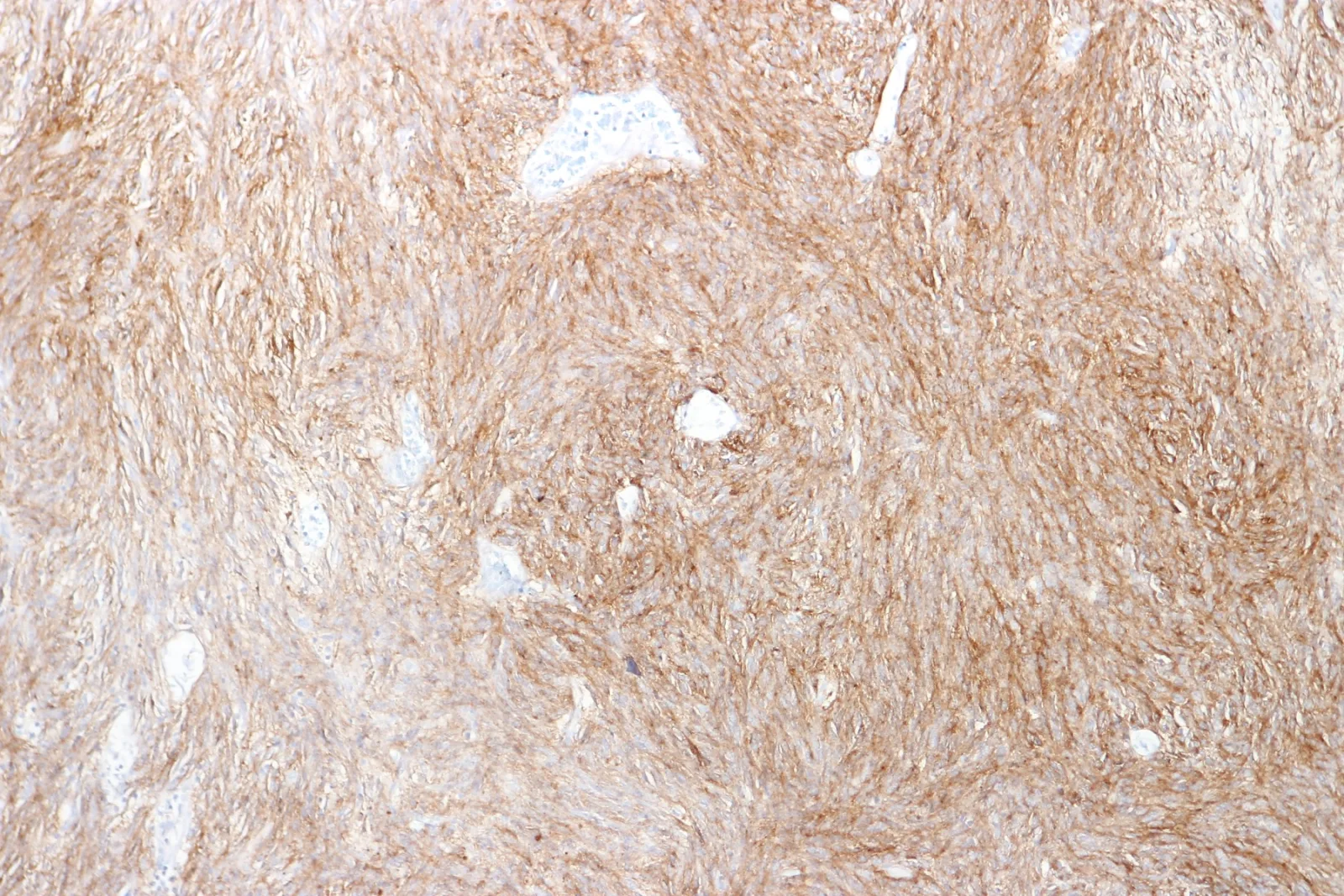
The US Food and Drug Administration (FDA) approved Ekitna (bezuclastinib, Cogent Biosciences) on 24 November 2026. The tablet is taken together with sunitinib to treat adults with advanced gastrointestinal stromal tumours (GIST) whose disease has already been treated with imatinib. GIST is a rare cancer that grows in the wall of the digestive tract, most often in the stomach, and is usually driven by mutations in the KIT gene. Imatinib is the standard first treatment, and sunitinib has long been the usual next step once imatinib stops working or cannot be tolerated.
What the PEAK trial showed
The approval rests on PEAK, an open-label, randomised international trial of 413 patients whose GIST had progressed on imatinib or who could not tolerate it. Patients received bezuclastinib plus sunitinib or sunitinib alone:
- Median progression-free survival: 16.5 months with the combination against 9.2 months with sunitinib alone, halving the risk of progression (hazard ratio 0.50).
- Objective response (tumour shrinkage): 46% against 26%.
- Overall survival: not yet mature at the time of analysis.
Patients on sunitinib alone were allowed to switch to the combination after confirmed progression, which will make any survival difference harder to measure.
Safety and dosing
The label carries a boxed warning for liver toxicity and a warning about harm to an unborn baby. The most common side effects included diarrhoea, raised liver enzymes, high blood pressure, taste changes, nausea, changes in hair colour, fatigue and abdominal pain. The recommended dose is 600 mg of bezuclastinib once daily with 37.5 mg of sunitinib once daily. The FDA reviewed the application under priority review, and the drug had breakthrough therapy and orphan drug designations. It follows another oncology decision from the same week, when the agency approved giredestrant for early breast cancer.
Sources: US Food and Drug Administration (FDA), Reuters
This story is relayed from the source named above; responsibility for its content rests with the original source.
FAQ
What is Ekitna?
Ekitna is the brand name of bezuclastinib, a kinase inhibitor from Cogent Biosciences that the FDA approved on 24 November 2026 for advanced GIST, taken together with sunitinib.
Who can receive Ekitna?
Ekitna is approved for adults with advanced gastrointestinal stromal tumours (GIST) that cannot be removed or have spread, and who have already received imatinib.
How well did Ekitna work in the PEAK trial?
In the PEAK trial, Ekitna plus sunitinib delayed GIST progression for a median 16.5 months, against 9.2 months with sunitinib alone, and shrank tumours in 46% of patients against 26%.
Does Ekitna help people with GIST live longer?
It is not yet known whether Ekitna extends life: overall survival data from the PEAK trial were not mature when the FDA made its decision.
What are the main risks of Ekitna?
Ekitna carries a boxed warning for liver damage and can harm an unborn baby; common side effects include diarrhoea, raised liver enzymes, high blood pressure, taste changes, nausea and changes in hair colour.