Aspirin after hip or knee replacement: PEPPER trial verdict
- The PEPPER trial in the NEJM compared aspirin, warfarin and rivaroxaban for preventing blood clots after hip or knee replacement in 18,883 patients.
- In the PEPPER trial, death or a symptomatic clot within 6 months occurred in 1.26% on aspirin, 1.23% on warfarin and 0.94% on rivaroxaban.
- Aspirin failed to prove it was as effective as the two anticoagulants, which in turn carried slightly more bleeding and wound problems.
- The PEPPER authors say the results give patients and surgeons a clearer trade-off between clot risk and bleeding risk.
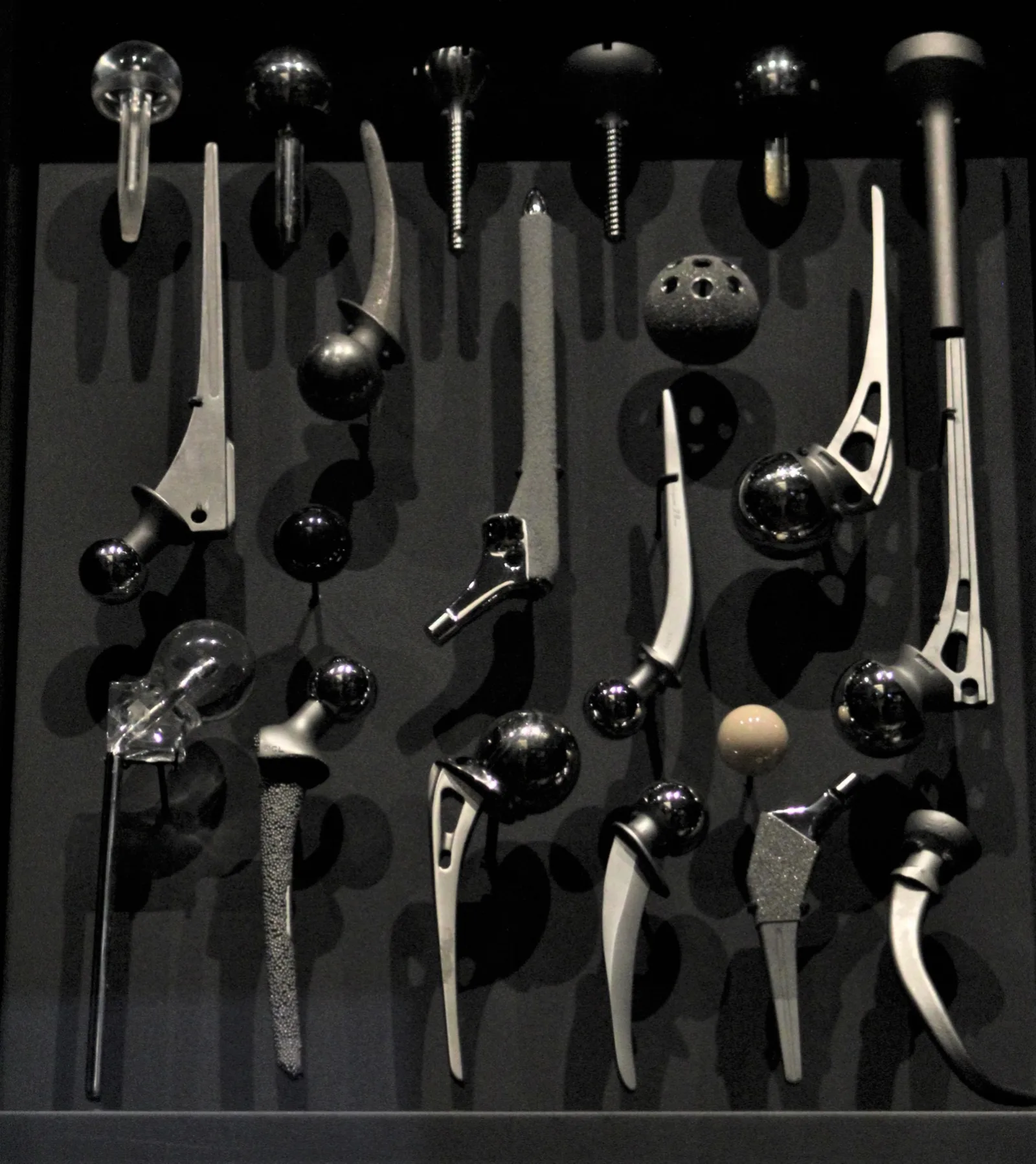
Which blood thinner should patients take after a hip or knee replacement? The largest trial ever run on the question, PEPPER, published in the New England Journal of Medicine on 12 November 2026 and presented by the University of Maryland on 24 November, found that low-dose aspirin prevents dangerous clots slightly less well than the anticoagulants warfarin and rivaroxaban, while those two drugs cause a little more bleeding.
How the trial worked
Researchers at 34 centres in the United States and Canada randomly assigned 18,883 patients to aspirin (81 mg twice daily), warfarin (target INR 2.0) or rivaroxaban (10 mg daily) for 30 days after surgery, then followed them for 6 months. The main analysis covered 15,317 patients: 7,214 hip and 8,103 knee replacements.
What PEPPER found
- Clots: death or symptomatic venous thromboembolism occurred in 1.26% on aspirin, 1.23% on warfarin and 0.94% on rivaroxaban. Aspirin did not meet the trial's bar for being "non-inferior".
- Safety: bleeding, repeat surgery for wound problems or heart attack occurred in 2.91% on aspirin, 3.36% on warfarin and 3.48% on rivaroxaban.
- Hip versus knee: there was no clear difference by joint, although rivaroxaban may protect better against pulmonary embolism after hip replacement, a signal the authors say needs more evidence.
What it means for patients
The absolute differences are small, and none of the three options was clearly best on both counts, so the choice depends on each patient's own clot and bleeding risk. Lead author Vincent Pellegrini of Dartmouth said both camps in the long aspirin debate "may be right". Patients preparing for knee replacement surgery should discuss clot prevention with their surgeon in advance. Knee arthritis care is also changing on the drug side: retatrutide halved knee osteoarthritis pain in two-thirds of patients in recent trials.
Sources: New England Journal of Medicine (PubMed), News-Medical
This story is relayed from the source named above; responsibility for its content rests with the original source.
FAQ
What is the PEPPER trial?
The PEPPER trial is the largest study comparing aspirin, warfarin and rivaroxaban for preventing blood clots after hip or knee replacement, with 18,883 patients at 34 centres in the US and Canada.
Is aspirin enough to prevent clots after joint replacement?
In the PEPPER trial, aspirin was slightly less effective than warfarin and rivaroxaban at preventing death or symptomatic clots (1.26% versus 1.23% and 0.94%) and did not prove non-inferior.
Do anticoagulants cause more bleeding after joint replacement?
Yes, slightly: in the PEPPER trial bleeding, wound reoperation or heart attack occurred in 3.36% on warfarin and 3.48% on rivaroxaban, versus 2.91% on aspirin.
How long was clot prevention given in the PEPPER trial?
Patients in the PEPPER trial took aspirin, warfarin or rivaroxaban for 30 days after surgery and were followed for 6 months.
Did the PEPPER results differ between hip and knee replacement?
The PEPPER trial found no clear difference between hip and knee patients overall, though rivaroxaban may prevent pulmonary embolism better than aspirin after hip replacement; more evidence is needed.