Natsal-4: young Britons have half as much sex as in 1990
- Natsal-4, Britain's fourth national sex survey, interviewed about 6,700 people aged 16–59 between 2022 and 2024.
- Natsal-4 found that 16–44-year-olds now have sex twice a month on average, down from four times in 1990.
- In Natsal-4, 38% of women and 28% of men aged 16–24 said they had never had sex, up from about one in five.
- Chlamydia testing among young women fell from 54% to 18% in a decade, even though many young people report STI risk.
The fourth National Survey of Sexual Attitudes and Lifestyles (Natsal-4), one of the largest studies of sexual behaviour in the world, has published its first five papers in The Lancet. Researchers from UCL, the London School of Hygiene & Tropical Medicine, the University of Glasgow and NatCen randomly selected about 6,700 people aged 16–59 in England, Scotland and Wales and interviewed them between September 2022 and January 2024. Earlier rounds ran in 1990, 2000 and 2010.
Less sex, and more young people who have never had it
Most adults are still sexually active: 77% of 16–59-year-olds had sex in the past year and 89% have had sex at least once. But among 16–44-year-olds, the average number of times people had sex in the past four weeks fell from four in 1990 to three in 2010 and two in 2022–24. Among 16–24-year-olds, 38% of women and 28% of men now say they have never had sex, compared with around one in five in earlier surveys. The decline is not limited to the young: sexually experienced 35–44-year-olds also went from three times a month to two.
Also read: Australia: syphilis and chlamydia diagnoses fell after doxyPEP guidance for gay and bisexual men
The authors stress that a survey can document change but not explain it. Dr Wendy Macdowall of LSHTM points to several overlapping factors, including more open talk about consent, rising mental health problems, less drinking, more time online and more young adults living with their parents.
Gaps in testing and contraception
- More than one in four sexually experienced 16–24-year-olds with opposite-sex partners (26% of women, 29% of men) reported behaviours linked to STI risk.
- Chlamydia testing among young women fell from 54% in 2010–12 to 18% in 2022–24.
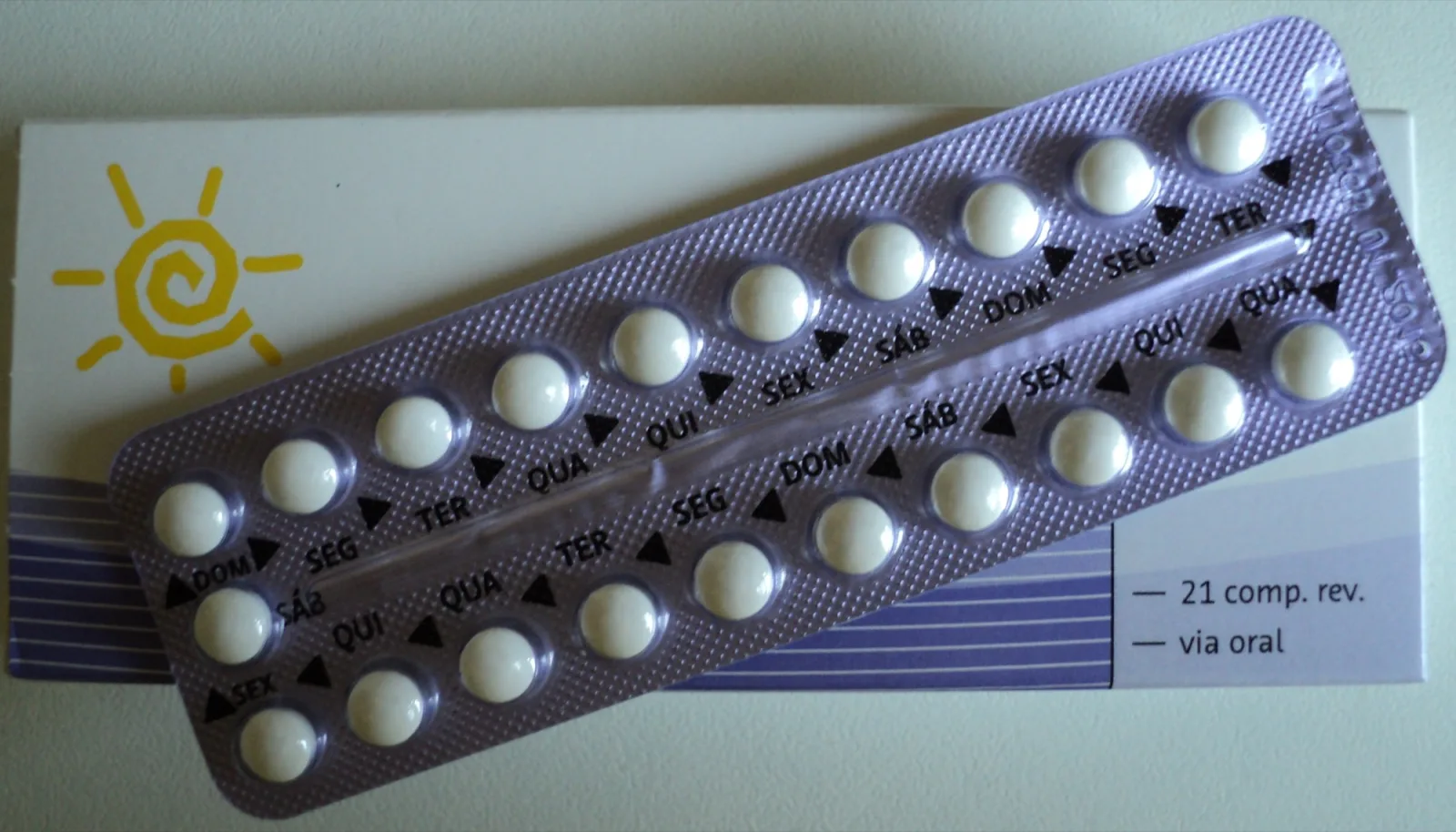
- About one in five women (19%) at risk of an unintended pregnancy used no effective contraception.
- Hormonal contraception among women aged 16–24 fell from 65% to 50%, while the hormonal coil rose from 4% to 10%.
- One in seven people reported low sexual wellbeing, which was measured for the first time.
Testing gaps matter because screening works when it reaches people: in the US, opt-out screening tripled chlamydia and gonorrhoea testing among teenagers, and screening twice for STIs in pregnancy was linked to fewer preterm births. The British Association for Sexual Health and HIV said services are struggling to meet demand and called for a properly funded national sexual health framework in England.
Sources: The Lancet (press release via Mirage News), The Pharmacist, CNN
This story is relayed from the source named above; responsibility for its content rests with the original source.
FAQ
What is Natsal-4?
Natsal-4 is the fourth National Survey of Sexual Attitudes and Lifestyles in Britain. Natsal-4 interviewed about 6,700 people aged 16–59 between September 2022 and January 2024, and its first five papers were published in The Lancet.
How much less sex are people in Britain having according to Natsal-4?
Natsal-4 found that 16–44-year-olds in Britain had sex on average twice in the past four weeks in 2022–24, compared with four times in 1990 and three times in 2010.
How many young people in Britain have never had sex?
In Natsal-4, 38% of women and 28% of men aged 16–24 in Britain said they had never had sex, compared with around one in five in earlier Natsal surveys.
What did Natsal-4 find about chlamydia testing?
Natsal-4 found that chlamydia testing among young women in Britain fell from 54% in 2010–12 to 18% in 2022–24, while more than one in four sexually experienced 16–24-year-olds reported behaviours linked to STI risk.
Does Natsal-4 explain why people are having less sex?
Natsal-4 does not explain the cause. The Natsal-4 researchers say several factors are likely involved, such as discussion of consent, mental health, less alcohol, time online and living with parents, but the survey cannot prove any of them.