Ageing eggs and IVF: a protein 'glue' guards chromosomes
- Researchers at the Max Planck Institute in Göttingen have built TALhesin, an engineered protein "glue" that holds chromosome halves together in ageing eggs.
- In eggs from older mice, it raised the share of eggs without prematurely separated chromosomes from 46.7% to 74.1%, close to the 74.7% seen in young mice.
- In donated human eggs, TALhesin attached to the intended chromosome regions and released them at the right moment.
- The study was published in Science on 26 November 2026; it has not yet been shown to reduce errors in human eggs, and safety testing is still ahead.
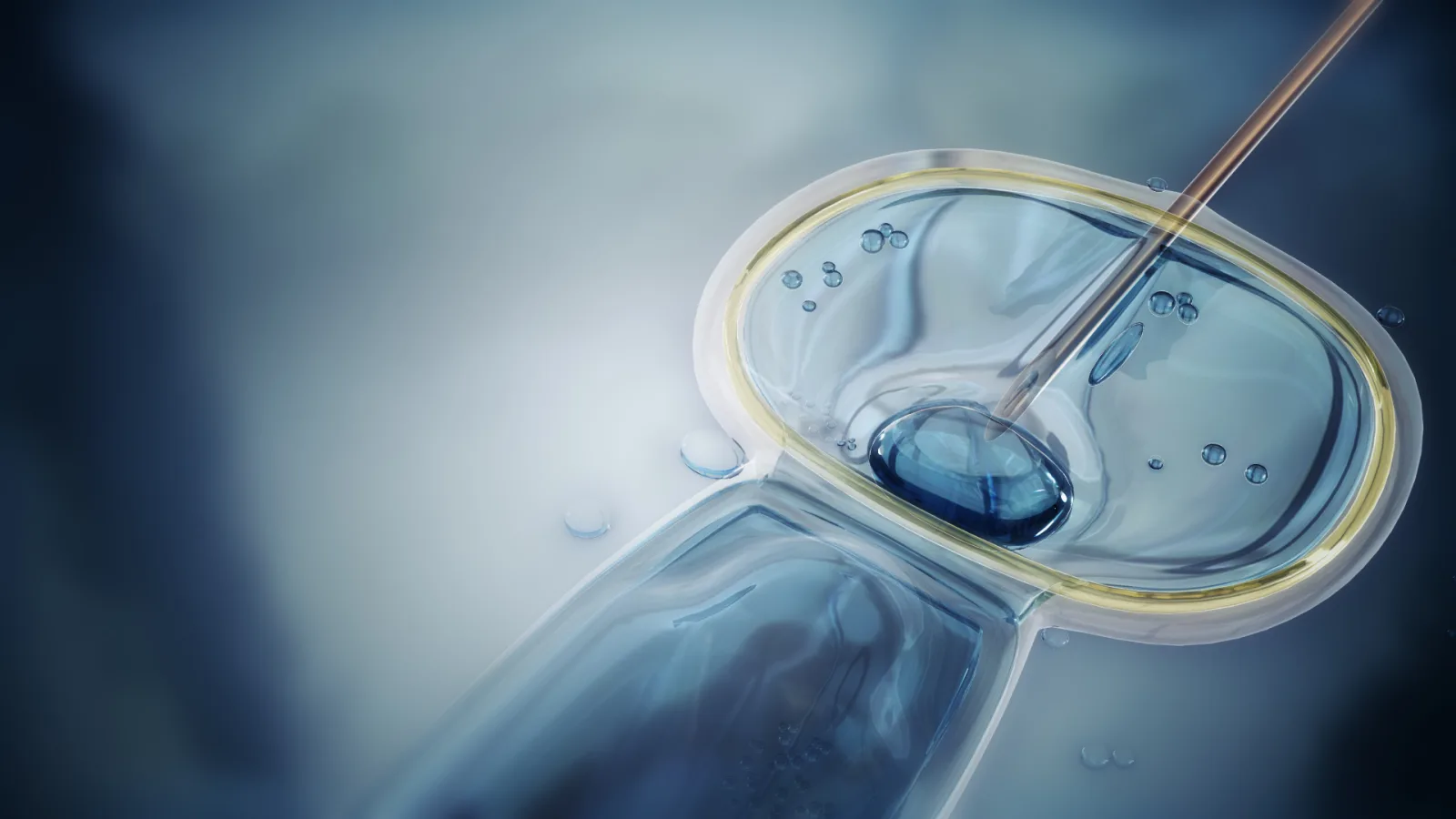
Scientists at the Max Planck Institute for Multidisciplinary Sciences in Göttingen, Germany, have engineered a protein system called TALhesin that acts as an artificial "glue" for chromosomes in ageing eggs. The work, led by biochemist Melina Schuh, was published in Science on Thursday 26 November 2026.
Why older eggs make more errors
Every egg must halve its chromosomes before fertilisation. The two halves of each chromosome, the chromatids, are held together by a natural protein complex called cohesin. Because a woman's eggs are formed before birth, cohesin has to hold for decades, and with age it falls away and is not replaced. Chromosomes then separate too early, leaving eggs with too many or too few, a condition known as aneuploidy. It is the leading cause of age-related infertility, failed IVF cycles and miscarriage, and between 50% and 80% of embryos from women in their 40s carry chromosomal abnormalities, according to STAT.
What the experiments showed
TALhesin is built from two DNA-binding proteins, programmed to latch onto a region near the centre of each chromosome and bond firmly to each other. When the team removed natural cohesin from young mouse eggs, the chromatids drifted apart within an hour, but with TALhesin they stayed together. In eggs from older mice, the share of eggs without prematurely separated chromosomes rose from 46.7% to 74.1%, almost the 74.7% of young mice. A built-in cut site lets the egg's own enzyme release the glue when fertilisation would occur, and that switch worked.
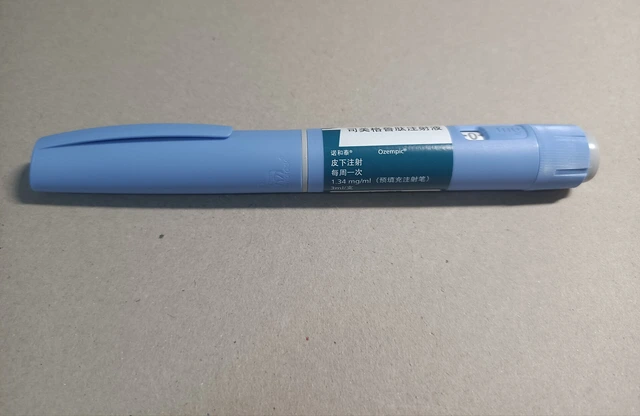
In unfertilised eggs donated through fertility centres in Göttingen, Berlin and Cambridgeshire, TALhesin bound the intended human chromosome regions without visibly disturbing the first division. Whether it actually cuts errors in eggs from older women has not yet been tested. "Further research and safety testing will be needed before clinical use," Schuh said. Another obstacle, STAT notes, is that most eggs collected in IVF have already passed the first division. For now, IVF success still falls with age: about one pregnancy per three cycles at 35–40 and one per ten after 40. Pregnancy research is moving on other fronts too, as in a Danish study of 756,000 pregnancies on Ozempic-type drugs, and those planning treatment today can read about IVF in Turkey.
Sources: Max Planck Institute for Multidisciplinary Sciences (via Mirage News), STAT News
This story is relayed from the source named above; responsibility for its content rests with the original source.
FAQ
What is TALhesin?
TALhesin is an engineered protein system from the Max Planck Institute for Multidisciplinary Sciences that acts as an artificial glue, holding the two halves of each chromosome together in ageing eggs, as natural cohesin does in young eggs.
Why do older eggs have more chromosome errors?
Eggs form before birth, and the natural protein cohesin that holds chromosome halves together wears away over decades and is not replaced. Chromosomes then separate too early, giving eggs the wrong number of chromosomes.
How well did TALhesin work in mice?
In eggs from older mice, TALhesin raised the share of eggs without prematurely separated chromosomes from 46.7% to 74.1%, close to the 74.7% seen in young mice.
Can TALhesin be used in IVF now?
No. TALhesin bound the right chromosome regions in donated human eggs, but it has not yet been shown to reduce errors in human eggs, and safety studies are needed before any clinical use.
Where was the TALhesin study published?
The TALhesin study, led by Melina Schuh in Göttingen, Germany, was published in the journal Science on 26 November 2026.