Research in 27 countries sheds light on how ionising radiation affects the body
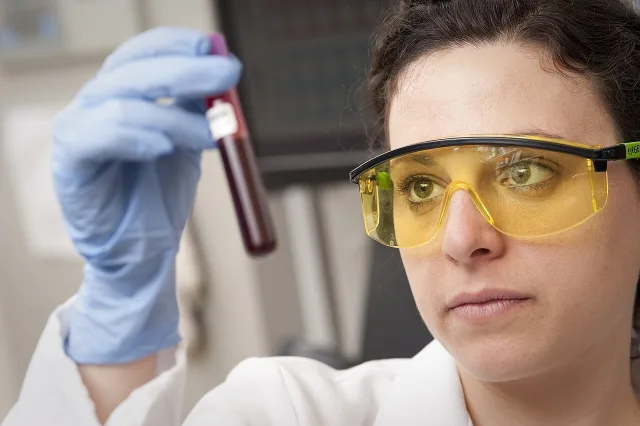
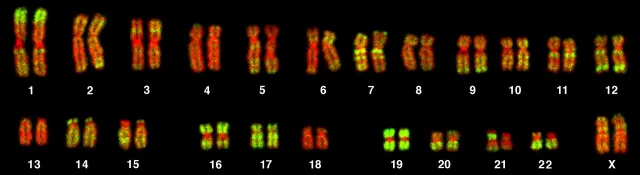
An IAEA-coordinated research project involving 27 countries studied how biological markers can measure patients' exposure to ionising radiation.
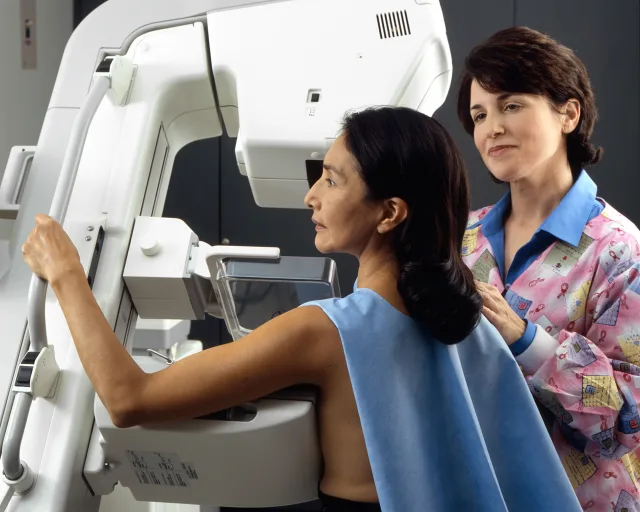
Women who lost weight on GLP-1 drugs such as Ozempic and Wegovy showed higher breast density on mammograms, a study to be presented at RSNA 2026 found.
New WHO estimates show three in five women aged 30–49 have never had a cervical cancer screening test.
The NHS advises checking the testicles regularly, around once a month, from puberty onwards.
Ekitna (bezuclastinib) was approved by the FDA on 24 November 2026, taken with sunitinib, for adults with advanced GIST previously treated with imatinib.
Giredestrant (Wilserdly, Genentech) was approved by the US FDA on 23 November 2026 as a once-daily pill after surgery for ER-positive, HER2-negative early breast cancer.
University of British Columbia researchers identified a rare inherited form of aggressive prostate cancer.
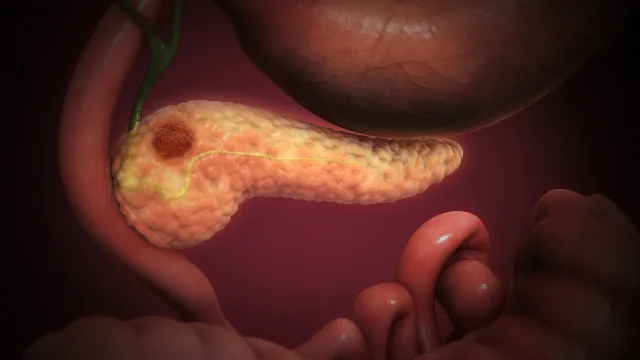
Results presented at ENA 2026 in Barcelona tested adding the daily pill daraxonrasib to first-line chemotherapy for metastatic pancreatic cancer.
More than 20,000 patients at at least 200 GP practices in England will take part in a trial of cancer-detecting blood tests.
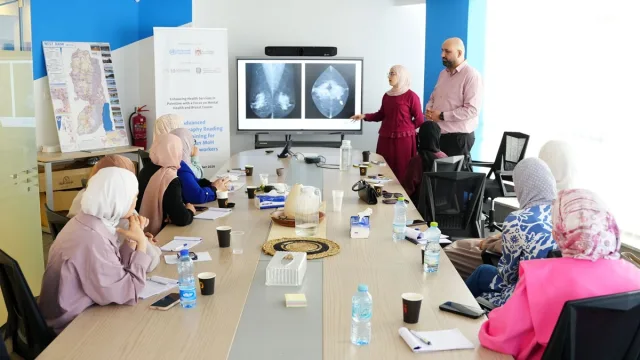
On 19 October 2026 WHO published the Global Breast Cancer Initiative (GBCI) Training Manual.
Nothing more to show
Back to the homepage