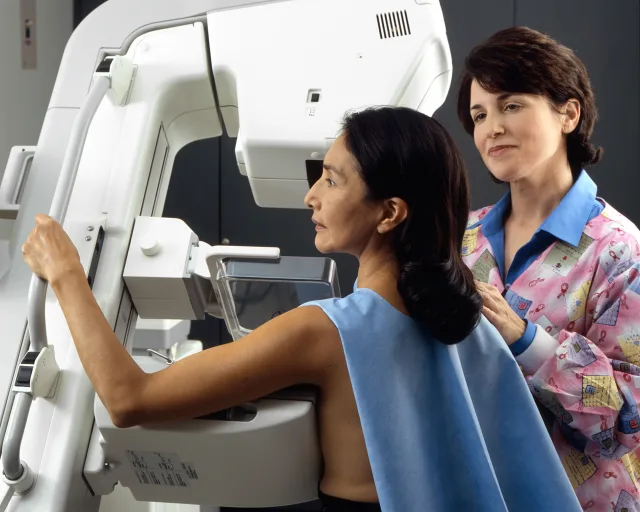
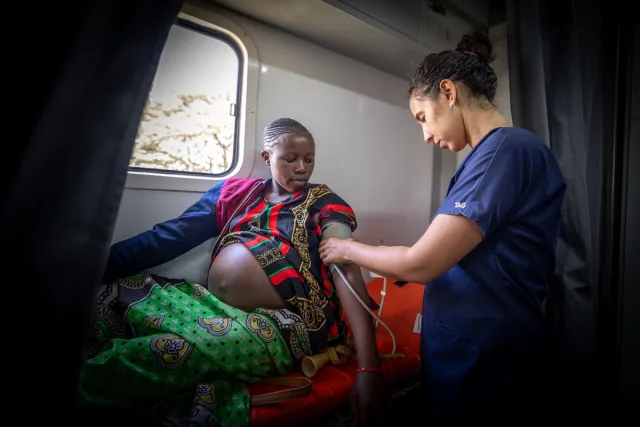
WHO: three in five women aged 30–49 have never been screened for cervical cancer
- New WHO estimates show three in five women aged 30–49 have never had a cervical cancer screening test.
- HPV testing for cervical cancer is highly unequal: 2% of women in low- and middle-income countries versus 32% in high-income countries.
- On World Cervical Cancer Elimination Day, WHO urged countries to reach unscreened women and treat positive results promptly.
- Brazil, New Zealand, Sierra Leone and other countries are expanding HPV-based cervical screening.
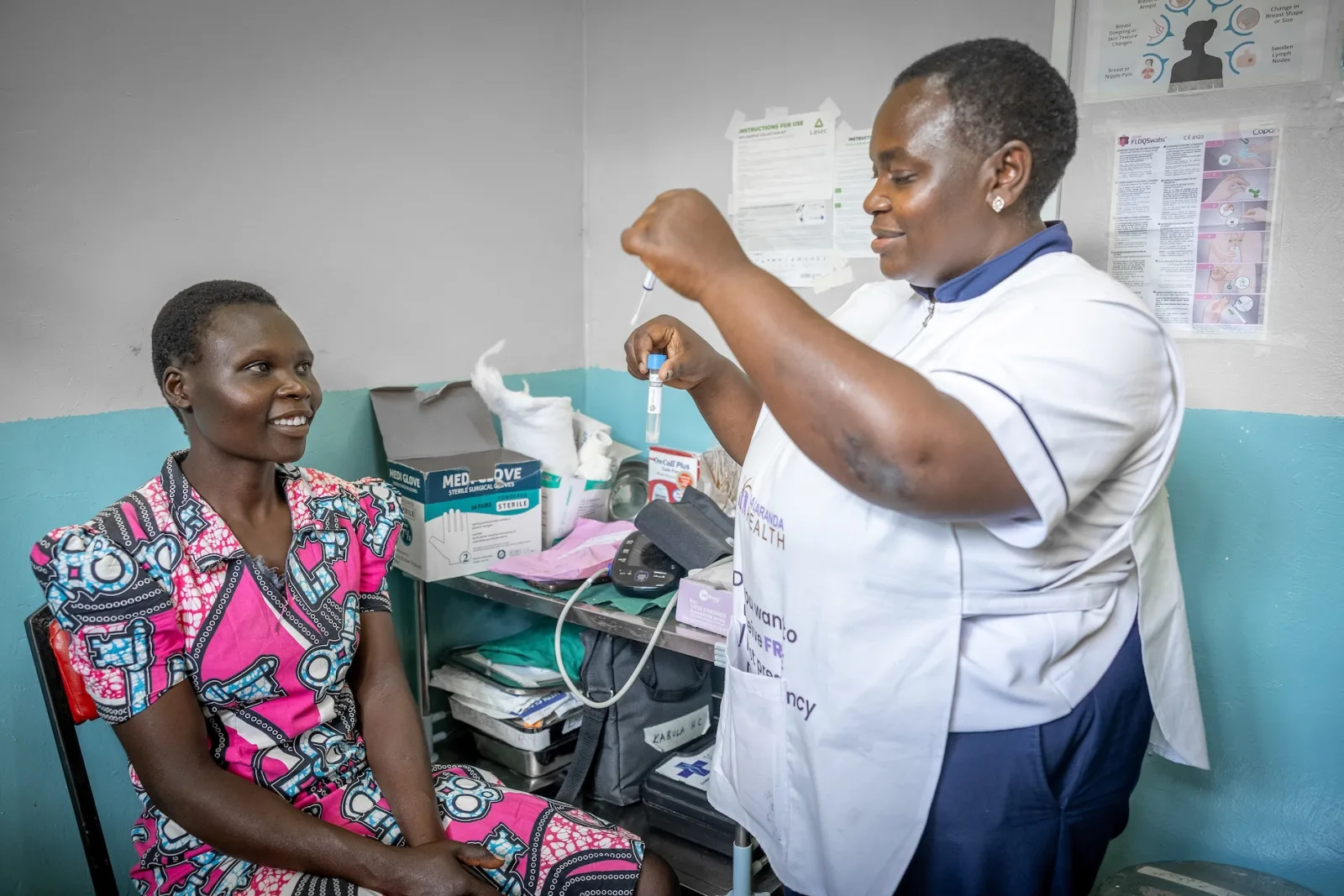
Three in five women aged 30 to 49 worldwide have never been screened for cervical cancer, according to new estimates the World Health Organization released on 17 November 2026, World Cervical Cancer Elimination Day. Access to HPV testing, a high-performance screening method, is especially unequal: only 2% of women in low- and middle-income countries were screened with an HPV test in the previous five years, compared with 32% in high-income countries.
WHO is urging countries to bring screening closer to women who have never been reached and to make sure a positive result leads to timely treatment. Søren Brostrøm, WHO Director for Noncommunicable Diseases and Mental Health, said the tools already exist to detect and treat precancerous changes before they become cancer, and that women who missed HPV vaccination must not also miss out on screening. The personal cost of putting off a test comes through in Hannah Fry's account of her cervical cancer diagnosis after delaying a smear test.
Also read: Video: WHO calls on every country to eliminate cervical cancer
Countries expanding screening
- Brazil: HPV DNA testing is now available in the public health system in 26 of the country's 27 federal units.
- New Zealand: a Cervical Cancer Elimination Plan 2026–2040, with free screening for all eligible women from March 2027.
- Sierra Leone: HPV tests and new equipment to diagnose and treat precancerous lesions.
New guidance and the 2030 targets
In 2026 WHO issued a guideline on HPV DNA genotyping, which helps identify women at greater risk of precancer and guide their follow-up.
These efforts serve WHO's 2030 targets: 90% of girls vaccinated against HPV by age 15, 70% of women screened with a high-performance test by ages 35 and 45, and 90% of women with precancer or cancer receiving appropriate treatment. WHO sets out the same strategy in its video calling on every country to eliminate cervical cancer.
Source: World Health Organization
This story is relayed from the source named above; responsibility for its content rests with the original source.
FAQ
How many women have never been screened for cervical cancer?
According to new WHO estimates published in November 2026, three in five women aged 30 to 49 worldwide have never been screened for cervical cancer.
How unequal is access to HPV testing for cervical cancer?
WHO reports that only 2% of women in low- and middle-income countries were screened for cervical cancer with an HPV test in the previous five years, compared with 32% in high-income countries.
What are WHO's 2030 targets for cervical cancer elimination?
WHO's 2030 cervical cancer targets are 90% of girls vaccinated against HPV by age 15, 70% of women screened with a high-performance test by ages 35 and 45, and 90% of women with precancer or cancer treated.
Which countries are expanding cervical cancer screening?
WHO highlights Brazil, where HPV DNA testing covers 26 of 27 federal units, New Zealand, which will make cervical screening free for eligible women from March 2027, as well as Sierra Leone, Cabo Verde and El Salvador.
Why does WHO stress treatment after a positive cervical screening test?
WHO says cervical cancer screening prevents cancer only if a positive result leads to timely follow-up and treatment of precancerous changes before they develop into cancer.