Ambroise Paré: "I dressed him, and God healed him", a surgeon's humility before healing
- French surgeon Ambroise Paré wrote the line in his notes on treating an officer during the Piedmont campaign of 1537–1538.
- The phrase sums up the philosophy he followed throughout his career: the doctor treats, but healing is not his alone.
- Paré is regarded as one of the fathers of modern surgery and served several French kings.
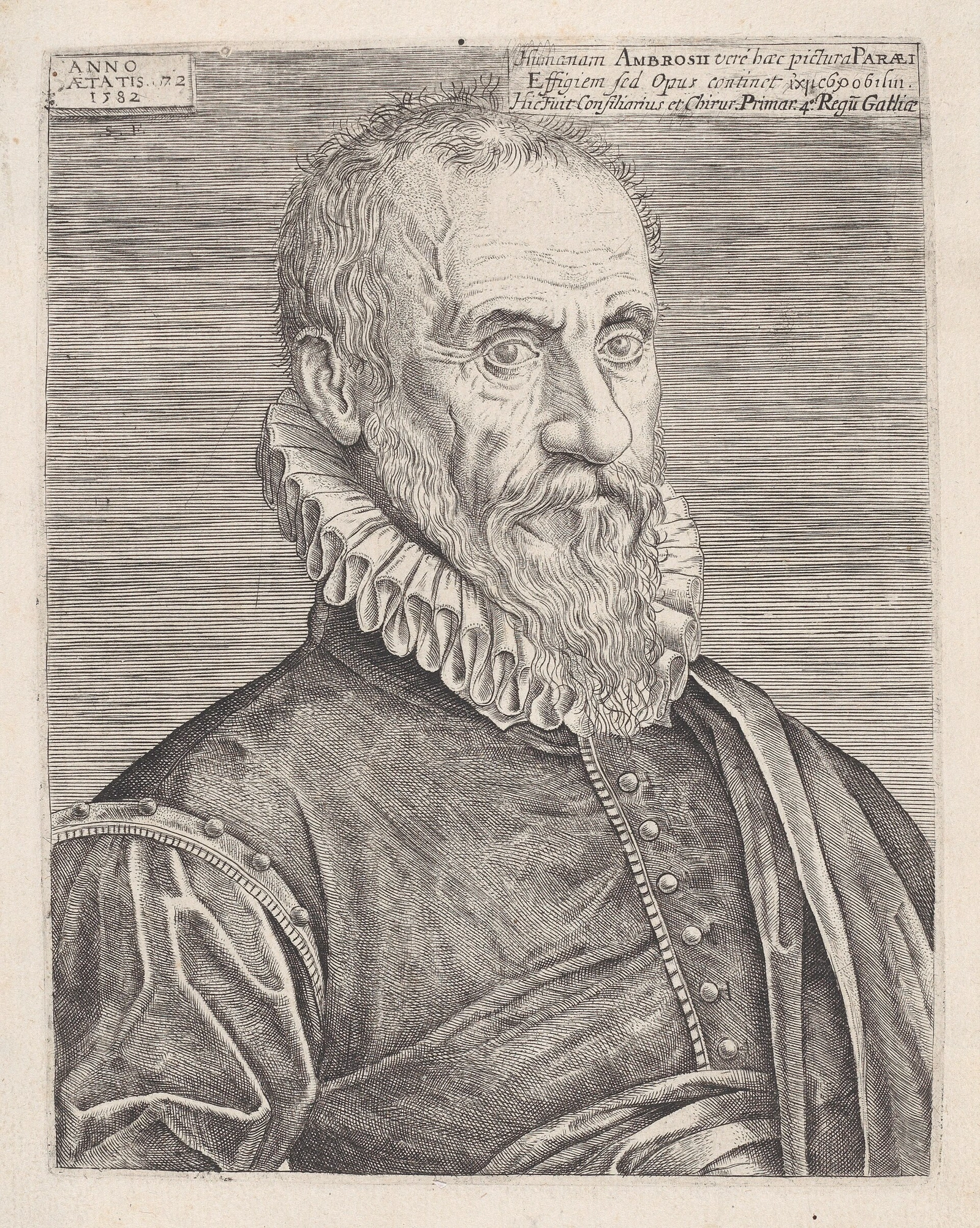
"Je le pansai, Dieu le guérit": I dressed his wounds, and God healed him.
French surgeon Ambroise Paré (c. 1510–1590) wrote these words in his personal notes on caring for an officer, Captain Rat, during the Piedmont campaign of 1537–1538. The line came to epitomise the philosophy he followed throughout his career.
The humility of the craft
The phrase marks the limits of the doctor's role: to bring every skill and care, while recognising that healing itself goes beyond the surgeon's hands. Near Metz he once treated a man who had been run through with a dozen sword thrusts and left to die; Paré said he was "his doctor, pharmacist, surgeon and cook", dressing him to the end of the treatment, "and God healed him."
Who was Paré?
Paré is regarded as one of the fathers of modern surgery, served as surgeon to several French kings and was known for improving the treatment of battlefield wounds. His words are still quoted as a reminder that medicine is a humble craft as much as a science.
Source: Wikipedia
This story is relayed from the source named above; responsibility for its content rests with the original source.
FAQ
What does Je le pansai, Dieu le guérit mean?
The French phrase Je le pansai, Dieu le guérit means I dressed him, and God healed him; surgeon Ambroise Paré wrote it in the 16th century.
Who was Ambroise Paré?
Ambroise Paré (c. 1510–1590) was a French surgeon regarded as one of the fathers of modern surgery and surgeon to several French kings.
When did Paré write his famous phrase?
Ambroise Paré wrote I dressed him, and God healed him in his notes on the Piedmont campaign of 1537–1538.