Hepatitis B birth dose: US newborn coverage falls to 65.6%
- The hepatitis B birth dose reached only 65.6% of US newborns in the first half of 2026, down from about 80% in 2020–2022, a NEJM Evidence study finds.
- The decline in hepatitis B vaccination at birth began in 2023 and sped up in 2025, according to records of 1,338,961 infants.
- Infants of mothers with hepatitis B, the group at highest risk, saw coverage dip from 97–98% to 93.9% in 2026.
- About 90% of infants infected with hepatitis B in their first year develop chronic infection, which is why the dose is given at birth.
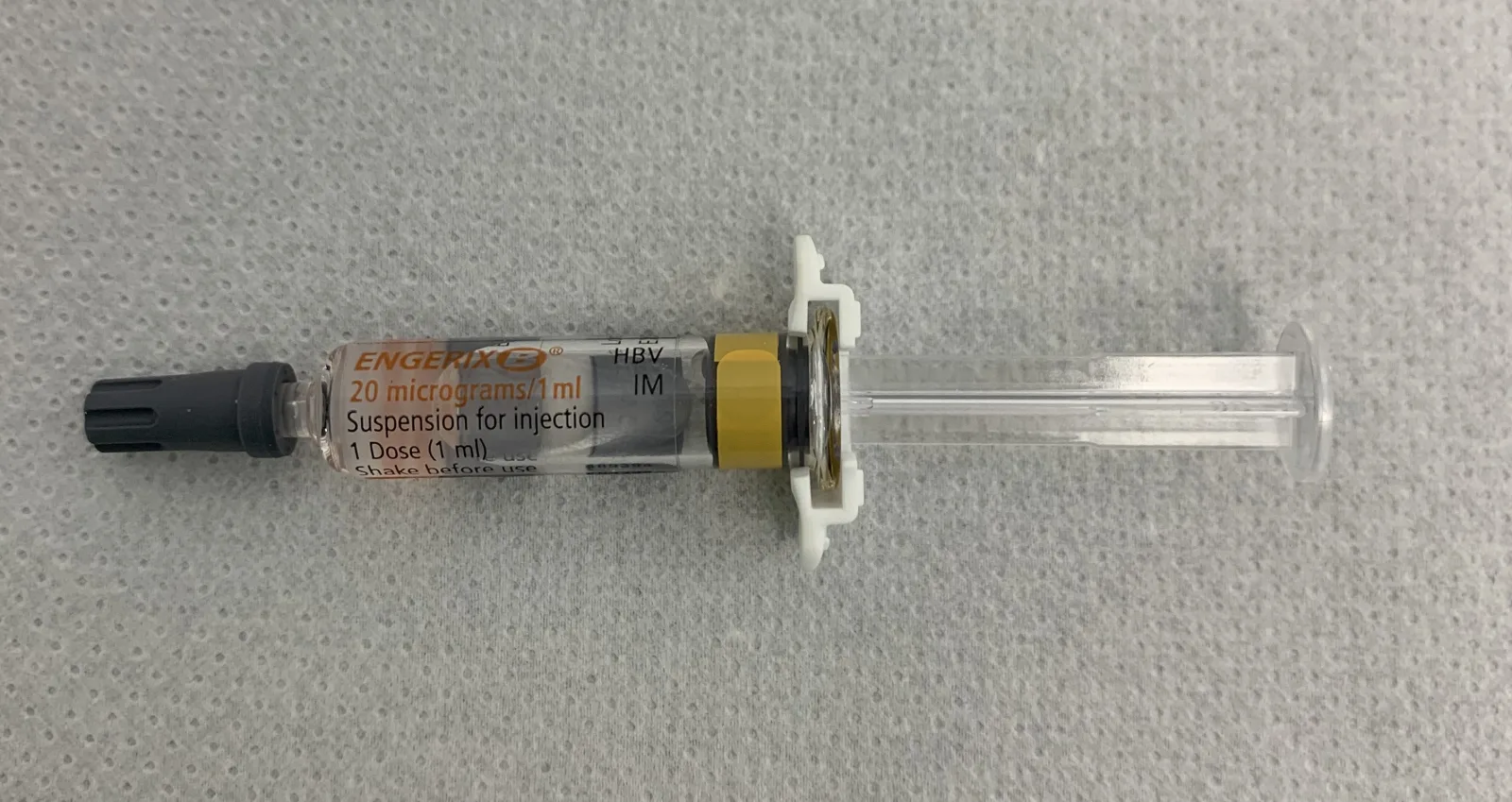
Fewer and fewer American newborns are getting the hepatitis B vaccine at birth. A study published on 24 November 2026 in NEJM Evidence as a "Public Health Alert" found that only 65.6% of babies born in the first half of 2026 received the dose within a day of birth, against roughly 80% in 2020–2022.
What the study looked at
Researchers at Truveta, led by Nina Masters, analysed electronic health records of 1,338,961 infants born to 1,075,767 mothers in US health systems between January 2018 and June 2026. Coverage was 76.4% in 2018 and peaked at 80.6% in 2020. It then slipped to 77.9% in 2023, 75.4% in 2024 and 69.0% in 2025, before reaching 65.6% in 2026. The fall therefore started in 2023, well before US advisers changed the universal birth-dose recommendation in December 2025.
Also read: Vitamin K shot: more parents refuse it for newborns
The babies most at risk
For infants whose mothers carry the virus, guidelines call for the vaccine plus hepatitis B immune globulin within 12 hours of birth. Coverage in this group stayed at 97–98% from 2020 to 2025 but dropped to 93.9% in 2026. About 9.5% of pregnancies had no recorded hepatitis B test, so some infected mothers go undetected. The authors stress that the birth dose exists to protect these babies too, because no screening system is perfect.
Why it matters
About 90% of infants infected in their first year go on to chronic hepatitis B, which can lead to cirrhosis and liver cancer. The World Health Organization recommends the first dose for all newborns, ideally within 24 hours. The same trend of declining newborn care appears in the rising refusal of the vitamin K shot, while measles deaths in Pennsylvania show what lower vaccine uptake can bring.
Limits
The records may miss doses given outside participating systems, 2026 covers only six months, and the study cannot say why doses were missed or whether infections have risen.
Sources: Truveta Research, HCPLive, World Health Organization
This story is relayed from the source named above; responsibility for its content rests with the original source.
FAQ
What did the NEJM Evidence study find about the hepatitis B birth dose?
The NEJM Evidence study found that the hepatitis B birth dose reached 65.6% of US newborns in the first half of 2026, compared with about 80% in 2020–2022.
When did hepatitis B birth-dose coverage start to fall?
Hepatitis B birth-dose coverage in US newborns started to fall in 2023 and dropped faster in 2025, before the December 2025 change to the federal recommendation.
How many infants were included in the hepatitis B birth-dose study?
The hepatitis B birth-dose study included 1,338,961 infants born to 1,075,767 mothers between January 2018 and June 2026.
Why is the hepatitis B vaccine given at birth?
The hepatitis B vaccine is given at birth because about 90% of infants infected in their first year develop chronic infection, and some infected mothers are not detected by screening.
What happened to babies of mothers with hepatitis B in the study?
Among babies of mothers with hepatitis B, birth-dose coverage fell from 97–98% in 2020–2025 to 93.9% in the first half of 2026.