Hepatitis B birth dose: US newborn coverage falls to 65.6%
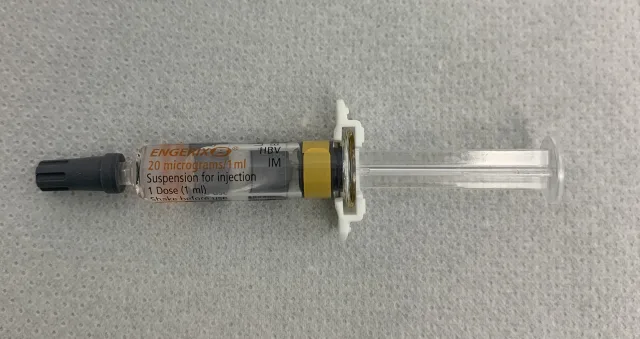
The hepatitis B birth dose reached only 65.6% of US newborns in the first half of 2026, down from about 80% in 2020–2022, a NEJM Evidence study finds.
Zoliflodacin, a new oral antibiotic, has been conditionally recommended by the World Health Organization as an additional single-dose treatment for gonorrhoea.
A CDC-led study of 18,252 people aged 60 and over, published this week in the journal Vaccine, examined how people felt in the week after an RSV vaccine.
Bacfenssi (D-PLEX100), a doxycycline paste placed in the incision during surgery, was approved by the FDA on 24 November 2026.
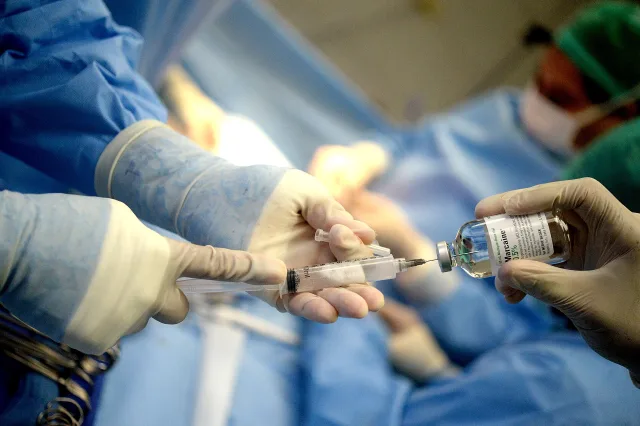
Par Health announced on 23 November 2026 a US nationwide recall of 46 lots of six injectable drugs, at hospital level.
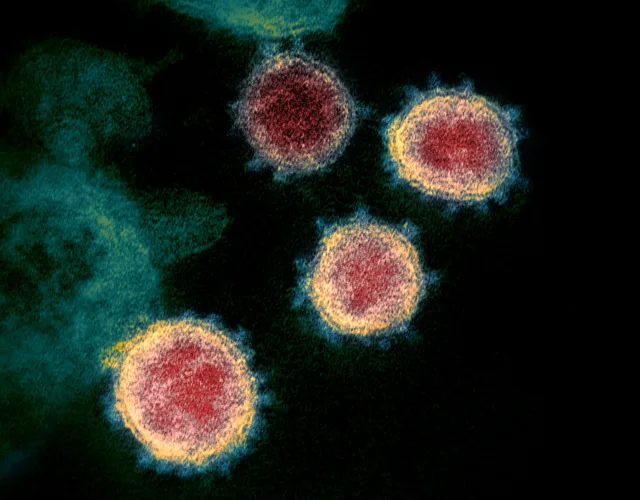
VYD2311 is a monoclonal antibody from US biotech Invivyd, given as a muscle injection to prevent symptomatic COVID-19.
On 20 October 2026 the FDA approved GSK's Hibsago (bepirovirsen) injection for chronic hepatitis B.
On 15 October 2026 the EMA's human medicines committee adopted a positive opinion extending the indication of AstraZeneca's H5N1 pandemic vaccine.
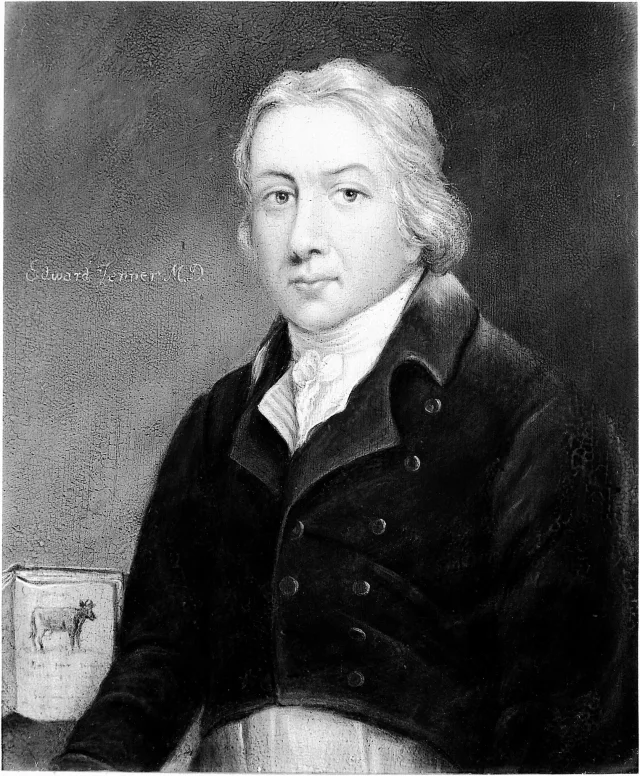
Edward Jenner (1749–1823) was an English physician from Berkeley, Gloucestershire, often called the father of immunology.
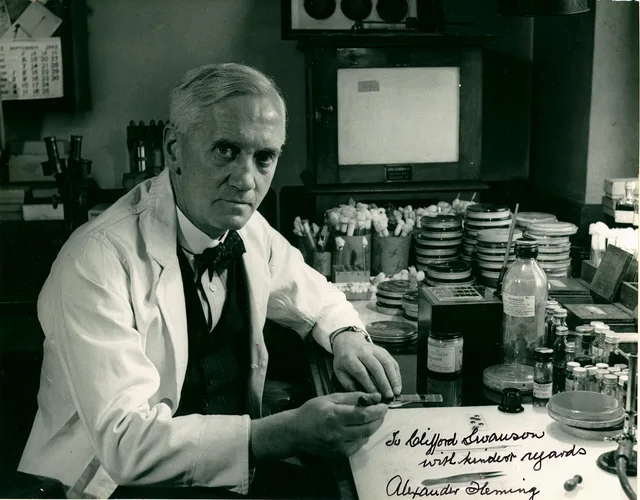
In 1928, at St Mary's Hospital in London, Alexander Fleming showed that a Penicillium mould kills certain bacteria.
Nothing more to show
Back to the homepage